
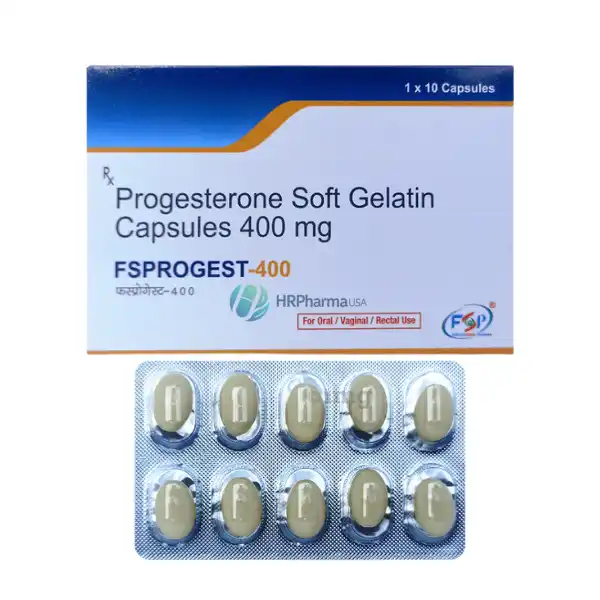
Progesterone 400 mg (Progesterone)
Progesterone 400 mg (Progesterone) is a prescription hormone medicine used to support progesterone levels in specific treatment plans, including certain fertility and menopause regimens, with dosing tailored by your clinician.
| Active Ingredient: | Progesterone |
|---|---|
| Indication: | Female infertility, Hormone replacement therapy |
| Manufacturer: | Sanzyme Biologics (P). Ltd. |
| Packaging: | 10 soft gelatin capsules in 1 strip |
| Strength: | 400mg |
| Delivery Time: | 6 To 15 days |
Progesterone 400 mg (Progesterone)
| Variant | Price | Units | Quantity | Add to Cart |
|---|---|---|---|---|
| 100 Capsule/s | $100.00 | $1 / Capsules | ||
| 200 Capsule/s | $180.00 | $0.9 / Capsules | ||
| 300 Capsule/s | $245.00 | $0.82 / Capsules |
Introduction About Progesterone 400 mg (Progesterone)
Progesterone 400 mg (Progesterone) is a prescription form of the hormone progesterone. If you are reading about it, you are probably trying to make sense of why it was prescribed, what it actually does in the body, and what to watch for day to day.
Progesterone is a hormone the body naturally makes, especially after ovulation and during pregnancy. In medicine, it is used when your own levels are not enough for a specific goal your clinician is treating.
What Progesterone 400 mg is used for
Progesterone may be used in a few different situations, depending on your history and the exact treatment plan:
- Hormone therapy support: In some menopause treatment plans, progesterone is paired with estrogen to help protect the uterine lining (endometrium) in people who still have a uterus.
- Cycle regulation in certain hormone imbalance situations: Progesterone can be used in selected cases of irregular cycles or missed periods when the cause is hormone imbalance (your prescriber decides whether it fits your case).
- Fertility and luteal phase support: Progesterone is commonly used in fertility care. The 400 mg strength is often discussed in the context of higher-dose support, though the exact product and route (oral vs vaginal) matter a lot.
Because treatment goals vary, the same medication can be used very differently from one person to another. If your prescription label instructions do not match what you expected, it is worth clarifying before you start.
How it works
Progesterone helps “balance” estrogen’s effects on the uterine lining. When progesterone is present at the right time in the cycle (or as part of hormone therapy), it signals the uterine lining to mature and stabilise.
When progesterone drops, bleeding can occur, which is one reason it is sometimes used in planned, time-limited courses.
How Progesterone 400 mg is usually taken
Your dosing schedule should come from your prescriber, since progesterone dosing depends on the reason you are taking it, your age, and other hormones you may be using.
A few practical notes people commonly run into:
- Timing matters: Many people are told to take progesterone in the evening because it can cause drowsiness or dizziness.
- Consistency helps: Taking it around the same time each day can reduce side-to-side swings in how you feel.
- Route matters: Some progesterone products are meant to be swallowed, while others are intended for vaginal use. Do not assume. Follow the exact directions on the label.
What you may notice while taking progesterone
Progesterone can affect the whole body, not just the reproductive system. Some effects are mild and more “annoying than dangerous,” but they still matter if you are trying to function normally at work or home.
Commonly reported effects can include:
- Sleepiness or feeling “slowed down”
- Dizziness
- Breast tenderness
- Bloating
- Headache
- Mood changes (some people feel calmer, others feel more irritable)
If you feel too sedated the next day, talk with your clinician. Sometimes timing, dose adjustments, or switching to a different dosage form makes a difference.
Side effects that need faster attention
Get urgent medical help if you develop symptoms that could signal a serious problem, such as:
- Chest pain, shortness of breath, and coughing blood
- Swelling, warmth, or pain in one leg
- Sudden severe headache, weakness on one side, trouble speaking
- Yellowing of skin or eyes (possible liver issue)
- Heavy vaginal bleeding or unusual bleeding that is not expected in your plan
Serious events are rare, but it is important to respond quickly if warning signs appear.
Drug interactions and precautions
Progesterone can interact with other medicines and may not be appropriate in certain health conditions.
Tell your prescriber about:
- Seizure medicines (some can change hormone levels)
- Antifungals or certain antibiotics (may affect hormone metabolism)
- Sedatives, sleep aids, or alcohol (can worsen drowsiness)
- A history of blood clots, stroke, hormone-sensitive cancers, liver disease, or unexplained vaginal bleeding
Also, check the inactive ingredients. Some progesterone capsules (depending on the manufacturer) may contain peanut oil or other oils. If you have a peanut allergy, confirm the formulation before taking it.
Available strengths and dosage forms (other options you may see)
Progesterone is sold in different strengths and forms, and availability can vary by manufacturer:
- Oral micronized progesterone capsules commonly come in 100 mg and 200 mg
- Higher-dose options, such as 300 mg or 400 mg, may be available depending on the product and intended use.
Susten SR 300 mg (Progesterone) Tablet
Susten 300 mg (Progesterone)
Susten SR 400 mg (Progesterone) Tablet
Susten 400 mg (Progesterone) - Vaginal progesterone options (inserts, suppositories, gels) Susten 8% Vaginal gel (Progesterone)
Susten VT 200 Mg (Progesterone) Tablet
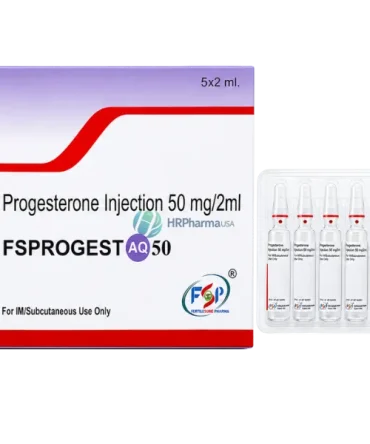
Susten 200 mg (Progesterone) Tablet - Progesterone injection exists: Susten Injection (Progesterone)
Susten 200 mg Injection (Progesterone)
Susten 100 mg Injection (Progesterone) - Gestoford 200 mg (Progesterone)
- Gestone 200 mg (Progesterone)
If you were prescribed 400 mg, it is usually for a specific reason. Do not switch strengths on your own.
Substitute and alternative products already on the market
If your prescriber wants progesterone support but a different product is a better fit, they may consider options such as:
- Prometrium (brand name oral micronized progesterone)
- Generic micronized progesterone capsules (manufacturer varies)
- Crinone (progesterone vaginal gel)
- Endometrin (progesterone vaginal insert)
In some treatment plans, clinicians may choose a progestin (a synthetic “progesterone-like” medicine) such as medroxyprogesterone acetate (Provera). This is not identical to progesterone, so the benefits and side effects may differ.
FAQs
1. Is progesterone the same thing as a progestin?
No. Progesterone is the natural hormone (or is made to closely match it). Progestins are synthetic and can act differently in the body. Your prescriber chooses based on your goal and medical history.
2. Can I open the Progesterone 400 mg capsule and mix it with food?
Do not do that unless a pharmacist or prescriber specifically tells you it is OK. Opening capsules can change how the dose is absorbed and may irritate your mouth or throat, depending on the formulation.
3. How long does it take to feel the effects?
Some people notice sleepiness or dizziness after the first dose. For cycle-related goals, it may take days to weeks, depending on the timing in your plan. If you are unsure what “success” looks like for your regimen, ask your prescriber what to expect.
4. Will progesterone affect lab tests?
It can influence hormone-related labs (and the timing of bloodwork matters). If you are having hormone testing, tell the clinician and the lab staff you are taking progesterone and share your dosing schedule.
5. Can men be prescribed progesterone 400 mg?
Sometimes progesterone is used off-label in men for specific specialist-directed reasons, but it is not common. A clinician should evaluate risks, expected benefits, and the need for monitoring before considering it.
Micronized progesterone (same hormone, different brands/forms):
- Prometrium (micronized progesterone capsules)
- Generic micronized progesterone capsules
| size | 100 Capsule/s, 200 Capsule/s, 300 Capsule/s |
|---|
Please sign in to My Account to leave a review.
Reviews
There are no reviews yet.