
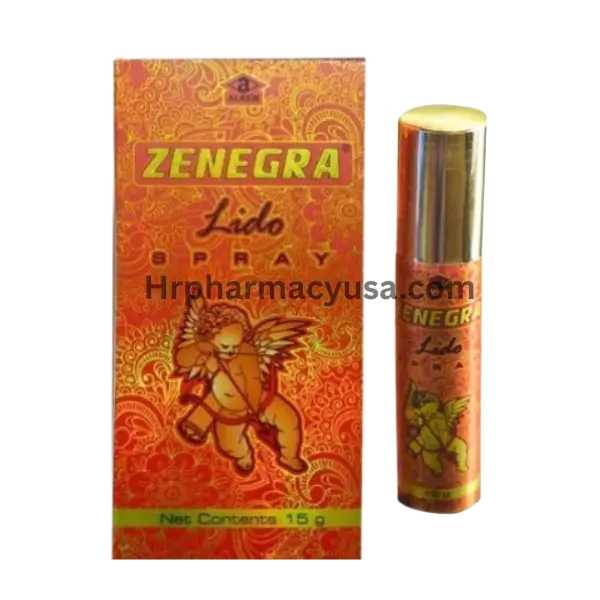
Zenegra Lido Spray (Lidocaine)
Zenegra Lido Spray (Lidocaine) is a topical numbing spray that temporarily reduces skin sensitivity. It works by calming nerve signals on the surface, which can help with situations where you want less sensation. It's for external use only and should be used sparingly. Always follow the label and talk with a clinician if you're unsure.
| Active Ingredient: | Lidocaine |
|---|---|
| Indication: | Anal fissure, Piles, Local anesthesia (Numb tissues in a specific area) |
| Manufacturer: | Alkem Laboratories Ltd |
| Packaging: | 15g in bottle |
| Delivery Time: | 6 To 15 days |
Zenegra Lido Spray (Lidocaine)
| Variant | Price | Units | Quantity | Add to Cart |
|---|---|---|---|---|
| 1 Spray | $8.00 | $8 / Spray | ||
| 3 Spray/s | $20.00 | $6.67 / Spray | ||
| 6 Spray/s | $35.00 | $5.83 / Spray |
Overview About Zenegra Lido Spray (Lidocaine)
Zenegra Lido Spray (Lidocaine) is a topical anesthetic spray that numbs the surface of the skin for a short time. Lidocaine has been used in medicine for decades to reduce discomfort by blocking nerve signals in the area where it’s applied.
People usually choose a lidocaine spray because it’s quick to apply, dries relatively fast, and lets you control the amount more easily than some creams.
What Zenegra Lido Spray is commonly used for
Lidocaine sprays are typically used for temporary, localized numbing. Depending on the product labeling and your clinician’s advice, this kind of spray may be used to:
- Reduce sensitivity on intact external skin
- Support comfort during minor skin irritation (only if the label allows it)
- Help with personal, adult-use sensitivity concerns when used carefully and externally
If your goal is sexual desensitizing, it’s important to use the smallest effective amount. Too much numbing can reduce pleasure and may also cause unwanted numbness for a partner through skin-to-skin contact.
How it works
Zenegra Lido Spray (Lidocaine) works by temporarily blocking sodium channels in nerve endings near the skin’s surface. When those channels are blocked, nerves are less able to send “feeling” signals. The result is temporary numbness or reduced sensation where you applied it.
How to use it safely
Always follow the product label first. If your prescriber gave you different instructions, follow those.
General safety tips that help most people avoid problems:
- Apply to clean, dry, intact skin only.
- Start with the lowest amount. You can add a little more if needed, but you cannot easily “undo” over-application.
- Avoid broken skin, cuts, rashes, or inflamed areas unless a clinician specifically told you it’s okay.
- Keep it away from eyes, inside the nose, mouth, and other mucous membranes unless the product is specifically made and labeled for that use.
- Wash your hands after applying.
- If using it for intimacy, allow time for it to dry and consider washing the area before contact to lower the chance of transferring numbness.
What you may feel and how long it lasts
Many people notice reduced sensation within minutes, then a gradual return to normal. Timing varies based on your skin, how much you used, and the exact strength of the spray.
If numbness is stronger or longer-lasting than you expected, do not reapply. Just wait for it to wear off.
Side Effects of Lidocaine Spray
Mild side effects can include:
- Temporary burning, stinging, or redness where applied
- Itching or mild irritation
- Dryness
Stop using the product and seek medical help if you notice signs of an allergic reaction (hives, swelling, trouble breathing) or if you feel unusual symptoms like dizziness, ringing in the ears, confusion, or an irregular heartbeat.
Those can be warning signs of absorbing too much local anesthetic, which is more likely with heavy use or application to damaged skin.
Who should be extra careful
Talk to a clinician before use if you:
- Have a history of allergy to local anesthetics (especially “-caine” medicines)
- Have significant liver disease or heart rhythm conditions
- Use antiarrhythmic medicines (some can interact in clinically important ways)
- Are using other products that contain lidocaine (stacking lidocaine from multiple products can raise risk)
Available strengths
Zenegra Lido Spray (Lidocaine) strength should be confirmed on your box or label, since spray products can vary by manufacturer and market.
Across the wider lidocaine topical category, common strengths you may see include:
- Lidocaine 10% spray (often listed as 100 mg/mL)
- Lidocaine 5% topical products (often creams/ointments, sometimes sprays)
- Lidocaine 4% topical products (commonly OTC)
- Lidocaine 2% gel/jelly (used in certain medical contexts)
- Vigora Lido Spray (Lidocaine)
- NottyBoy Lidocaine Delay Spray
Only use the strength and directions intended for your purpose.
Alternatives already on the market
If Zenegra Lido Spray (Lidocaine) is not the right fit, people often compare these options (availability varies):
- Lidocaine-prilocaine cream (often called EMLA or generic equivalent)
- Other lidocaine sprays such as Promescent (lidocaine desensitizing spray) or Stud 100 (lidocaine spray)
- Benzocaine-based delay sprays or wipes (a different numbing ingredient)
- Desensitizing condoms (may contain benzocaine or lidocaine)
- For pain-focused uses: lidocaine 4% creams, lidocaine 5% patches (prescription in many cases), or other topical analgesics like diclofenac gel (not a numbing agent)
Choosing between these depends on your skin sensitivity, the area you’re treating, and how predictable you need the effect to be.
FAQs About Zenegra Lido Spray (Lidocaine)
| size | 1 Spray, 3 Spray/s, 6 Spray/s |
|---|
Please sign in to My Account to leave a review.
Reviews
There are no reviews yet.