
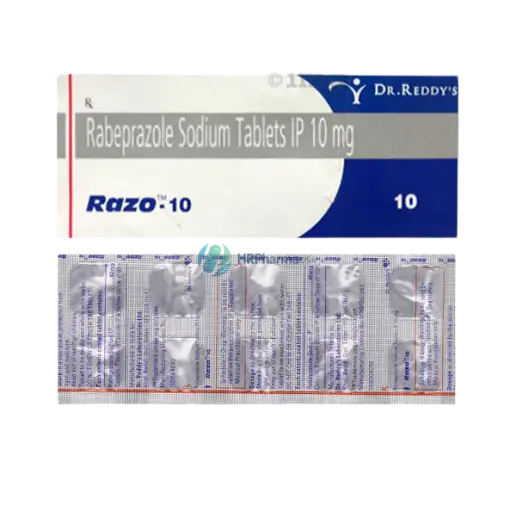
Razo 10 mg (Rabeprazole)
Price range: $20.00 through $35.00
Razo 10 mg is a rabeprazole tablet that lowers stomach acid to help control GERD and heartburn. Used as directed, it can reduce burning, sour taste, and reflux discomfort daily.
| Active Ingredient: | Rabeprazole |
|---|---|
| Indication: | Acidity, Heartburn, Stomach ulcers |
| Manufacturer: | Dr Reddy's Laboratories Ltd. |
| Packaging: | 15 tablets in 1 strip |
| Strength: | 10 mg |
| Delivery Time: | 6 To 15 days |
In Stock
Razo 10 mg (Rabeprazole)
| Variant | Price | Units | Quantity | Add to Cart |
|---|---|---|---|---|
| 60 Tablet/s | $20.00 | $0.33 / Tablet | ||
| 90 Tablet/s | $27.50 | $0.31 / Tablet | ||
| 120 Tablet/s | $35.00 | $0.29 / Tablet |
About Razo 10 mg (Rabeprazole)
Razo 10 mg (Rabeprazole) is a medicine that reduces excess stomach acid. If you deal with frequent heartburn, acid reflux, or symptoms that flare after meals or when lying down, this type of treatment is often part of a long-term plan. It is not an instant “coat the stomach” product. It works by lowering how much acid your stomach makes, so the irritation in the esophagus and stomach lining has a chance to calm down.
Many rabeprazole tablets have a special coating that releases the medicine after it passes through the stomach. That coating is one reason it is important to take it the right way.
What Razo 10 mg is used for
Razo 10 mg belongs to a group of medicines called proton pump inhibitors (PPIs). Doctors use PPIs for several acid-related problems, including:
- GERD (gastroesophageal reflux disease), especially when symptoms are frequent or disruptive
- Heartburn and acid regurgitation, including a sour or bitter taste in the mouth
- Inflammation of the esophagus caused by acid exposure (reflux esophagitis)
- Stomach or duodenal ulcers, depending on the treatment plan
- Acid problems linked to certain infections, such as when used as part of combination therapy for H. pylori (your prescriber will choose the full regimen)
Not every symptom that feels like heartburn is actually acid reflux. Chest discomfort, trouble swallowing, ongoing vomiting, or black stools need prompt medical attention.
How rabeprazole works
Rabeprazole lowers acid by blocking the final step in acid production in the stomach. With less acid:
- Burning pain tends to ease over time
- Reflux episodes may become less intense
- Irritated tissue can start healing
Some people feel improvement within the first day or two, but stronger relief often takes a few days of consistent use.
How to take Razo 10 mg
Always follow your clinician’s directions. Dosing can vary based on the condition being treated and your health history.
Common practical tips that matter with rabeprazole:
- Take it consistently, around the same time each day.
- Swallow the tablet whole with water.
- If you miss a dose, take it when you remember unless it is close to the next dose. Do not double up.
If your symptoms keep breaking through even though you’ve been taking it correctly, your prescriber may adjust the plan or check for another cause.
Side effects you may notice
Most people tolerate rabeprazole well, but side effects can happen. Common ones can include:
- Headache
- Diarrhea or loose stools
- Nausea
- Stomach pain or gas
- Constipation in some people
Call a healthcare professional promptly if you develop severe or watery diarrhea that does not stop, signs of an allergic reaction (rash, swelling, trouble breathing), or new severe stomach pain.
Important safety notes for longer use
For some people, PPIs are used longer than a few weeks. If you are on therapy for an extended period, it is a good idea to review the plan from time to time. Longer use of PPI medicines has been linked in some cases to issues such as:
- Low magnesium levels
- Vitamin B12 deficiency
- Higher chance of certain infections affecting the gut
- Kidney inflammation in rare cases
- Bone fracture risk in some groups, especially with other risk factors
These risks do not mean you should stop treatment on your own. They mean the dose and duration should match your needs, and ongoing symptoms should be taken seriously.
Drug interactions to know about
Rabeprazole changes stomach acidity, which can affect how certain medicines are absorbed. Also, PPIs may interact with a few drugs in other ways. Tell your prescriber about all prescription medicines, over-the-counter products, and supplements you take.
Examples of medicines that may need extra caution include:
- Some HIV medicines that require stomach acid for absorption (certain combinations should not be used with PPIs)
- Medicines where absorption is affected by stomach pH (some antifungals, for example)
- High-dose methotrexate (your care team may pause the PPI in specific situations)
- Warfarin and certain other medicines where monitoring may be needed
This is not a complete list, so a full medication review is recommended.
Available strengths (other dosages)
Razo is commonly found in more than one strength. Availability can vary by supplier and market, but rabeprazole tablets are often available as:
- Rabeprazole 10 mg
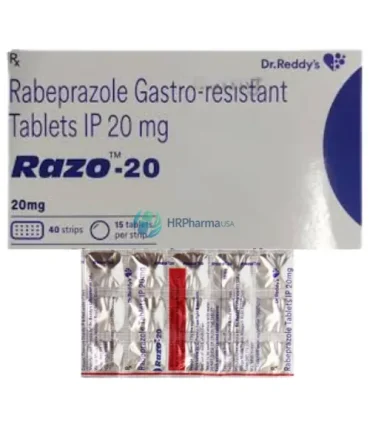
- Razo 20 mg (Rabeprazole)
Your prescriber chooses the strength based on symptom severity, whether healing is needed, and how you respond.
Substitutes and alternatives (already on the market)
If Razo 10 mg isn’t the right fit, your clinician may consider other options based on your diagnosis, symptom pattern, and medication history.
Same active ingredient (rabeprazole):
- Generic rabeprazole delayed-release tablets
- Brand option commonly known in the market: Aciphex (rabeprazole)
Other medicines in the same class (PPIs):
- Omeprazole (Prilosec and generics)
- Esomeprazole (Nexium and generics)
- Pantoprazole (Protonix and generics)
- Lansoprazole (Prevacid and generics)
- Dexlansoprazole (Dexilant)
These are not identical, even if they treat similar problems. A professional should guide any switch, especially if you have persistent symptoms or other medical conditions.
When to get checked instead of self-managing
Acid symptoms are common, but certain signs need a proper evaluation:
- Trouble swallowing or pain with swallowing
- Unexplained weight loss
- Vomiting blood or black, tarry stools
- Ongoing nausea or vomiting
- Chest pain, especially with sweating, shortness of breath, or pain spreading to the arm or jaw
These can point to conditions that need urgent care.
FAQs
1. Can I split or crush Razo 10 mg?
It may not be a good idea. Many rabeprazole tablets are specially coated to protect the medicine until it reaches the right place in the digestive tract. Splitting or crushing can reduce its effectiveness. Ask a pharmacist for options if swallowing is difficult.
2. Can I take Razo 10 mg with antacids?
Sometimes yes, but timing can matter depending on the antacid product and your symptoms. Since your full medication list matters, confirm with a pharmacist or clinician before combining treatments.
3. Is Razo 10 mg safe during pregnancy or breastfeeding?
This depends on your situation and why you need acid control. Your clinician will weigh benefits and risks and may suggest a different plan if needed. Do not start or continue prescription acid reducers during pregnancy without medical advice.
4. Does rabeprazole affect any lab tests?
It can. Acid-lowering medicines may affect certain specialized blood tests. If you are scheduled for lab work, tell the ordering clinician you take rabeprazole so they can advise you properly.
5. How should I store Razo 10 mg?
Store at room temperature in a dry place, away from heat and moisture. Keep it in its original packaging until use, and keep all medicines out of reach of children and pets.
| size | 120 Tablet/s, 60 Tablet/s, 90 Tablet/s |
|---|
Please sign in to My Account to leave a review.


Reviews
There are no reviews yet.