
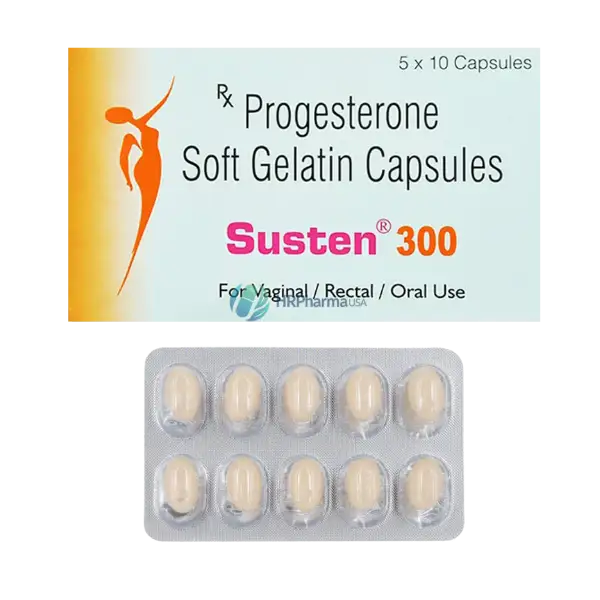
Progesterone 300 mg (Generic)
Progesterone 300 mg (Generic) is a prescription oral capsule of micronized progesterone, commonly used in hormone therapy to support progesterone levels and help protect the uterine lining when indicated.
| Active Ingredient: | Progesterone |
|---|---|
| Indication: | female infertility, Hormone replacement therapy |
| Manufacturer: | Sun Pharmaceutical Industries Ltd |
| Packaging: | 10 soft gelatin capsules in 1 strip |
| Strength: | 300mg |
| Delivery Time: | 6 To 15 days |
Progesterone 300 mg (Generic)
| Variant | Price | Units | Quantity | Add to Cart |
|---|---|---|---|---|
| 30 Capsule/s | $63.00 | $2.1 / Capsules | ||
| 60 Capsule/s | $100.00 | $1.67 / Capsules | ||
| 90 Capsule/s | $143.75 | $1.6 / Capsules |
Introduction About Progesterone 300 mg (Generic)
Progesterone 300 mg (Generic) is an oral, prescription-strength form of progesterone, a hormone the body naturally makes. When progesterone levels are low or need support for a specific medical reason, your clinician may prescribe a capsule like this to help bring levels into a healthier balance.
Micronized progesterone (the form most capsules use) is processed into smaller particles, which helps the body absorb it more consistently. In real life, this matters because progesterone therapy is often about steady, predictable support, not quick spikes.
What progesterone is used for
Progesterone therapy shows up in a few common situations, depending on your health history and goals:
- Hormone therapy support (often with estrogen): If someone takes estrogen therapy and still has a uterus, progesterone is commonly added to help reduce the risk of estrogen-related thickening of the uterine lining (endometrial hyperplasia).
- Cycle regulation in certain menstrual conditions: Progesterone may be used in selected cases of irregular cycles or missed periods, when a clinician determines hormones are part of the issue.
- Fertility care in specific protocols: Some fertility and reproductive endocrinology plans include progesterone support. The exact product and route (oral vs vaginal) vary a lot by protocol.
Your diagnosis and treatment plan matter here, because progesterone is not a one-size-fits-all medication.
What it can feel like to take progesterone
A lot of people notice progesterone is not a “silent” medication. The most talked-about effect is sleepiness or grogginess, especially with oral capsules. Some people actually prefer taking it in the evening for that reason, but it depends on how your body responds.
You might also notice:
- Breast tenderness
- Bloating or mild stomach discomfort
- Headache
- Mood changes (some people feel calmer, others feel more irritable)
- Dizziness
If side effects feel intense or disruptive, it is worth asking your prescriber whether the dose, timing, or even the formulation should be adjusted.
Possible serious risks
Serious side effects are less common, but they matter. Get urgent medical care for symptoms like chest pain, shortness of breath, sudden severe headache, one-sided weakness, coughing up blood, severe swelling in a leg, or signs of a serious allergic reaction (hives, facial swelling, trouble breathing).
Risk can depend on your full hormone plan, especially if progesterone is combined with estrogen, and on personal factors like smoking history or clotting risk.
Who should be extra cautious?
Progesterone may not be appropriate for everyone. Your prescriber will usually review history such as:
- Unexplained vaginal bleeding
- Past blood clots, stroke, or certain cardiovascular risks
- Liver disease
- History of hormone-sensitive cancers (depending on your situation)
- Allergies to capsule ingredients
One practical detail: some progesterone capsule formulations use peanut oil, while others may use different oils. Ingredient lists vary by manufacturer, so anyone with a peanut allergy should confirm the inactive ingredients with the pharmacy.
Interactions and everyday considerations
Progesterone can interact with other medications and supplements, including those that affect liver enzymes (which can alter hormone levels). It is also smart to mention:
- All prescription meds
- Over-the-counter sleep aids
- Anxiety medications
- Seizure medications
- Herbal supplements (especially those marketed for sleep, mood, or hormones)
Alcohol can worsen drowsiness for some people taking progesterone, so that is worth keeping in mind if you’re trying to avoid next-day grogginess.
Available Dosage Strengths
- Susten 100 mg (Progesterone)
- Susten 400 mg (Progesterone)
- Susten 200 mg (Progesterone)
- Susten 300 mg (Progesterone)
- Susten VT 200 Mg (Progesterone) Tablet
- Susten 200 mg Injection (Progesterone)
- Susten SR 400 mg (Progesterone) Tablet
- Susten Injection (Progesterone)
- Susten 100 mg Injection (Progesterone)
- Susten 8% Vaginal gel (Progesterone)
Substitutes and Alternatives
If Progesterone 300 mg (Generic) is not the right fit, clinicians may consider other options depending on the reason you’re using progesterone:
- Prometrium (brand-name progesterone): Brand version of oral micronized progesterone.
- Other generic micronized progesterone capsules: Same active ingredient, different manufacturer and inactive ingredients.
- Vaginal progesterone products: Such as progesterone gels or inserts used in some fertility or gynecologic protocols (route and absorption differ from oral).
- Synthetic progestins (not the same as progesterone): Medications like medroxyprogesterone acetate or norethindrone may be used for certain hormone-related goals, but they are different compounds with different profiles.
A “substitute” should match your medical purpose, not just the word progesterone on the label, so it is best decided with the prescriber.
FAQs
1. Can I open the capsule and mix it with food?
Usually, oral progesterone capsules are intended to be swallowed whole. Opening them can affect dosing consistency and taste, and the liquid inside can be irritating. Ask your pharmacist before changing how you take it.
2. Does progesterone show up on routine drug tests?
Progesterone is a natural hormone and is not typically part of standard employment drug screening panels. If you have a specific testing situation, ask the testing facility what they include.
3. How should I store Progesterone 300 mg (Generic)?
Most progesterone capsules are stored at room temperature in a dry place away from heat and moisture. Keep them in the original container and out of reach of children. Follow the label for the specific product you receive.
4. What should I do if I miss a dose?
The safest approach is to follow your prescriber’s instructions for missed doses, since schedules vary. In many cases, you take it when you remember, unless it is close to the next dose; confirm with your pharmacist.
5. Can I take progesterone if I’m pregnant or breastfeeding?
Progesterone is sometimes prescribed in pregnancy for specific indications, while in other situations it may not be appropriate. Breastfeeding considerations also depend on your full clinical picture. This is a prescriber-level decision, so check before starting or continuing.
| size | 30 Capsule/s, 60 Capsule/s, 90 Capsule/s |
|---|
Please sign in to My Account to leave a review.
Reviews
There are no reviews yet.