
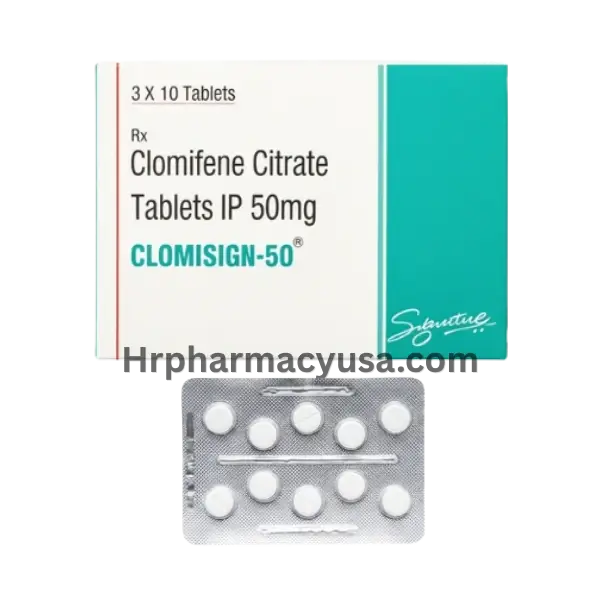
Clomiphene 50 mg (Generic)
| Active Ingredient: | Clomiphene |
|---|---|
| Indication: | Female Infertility |
| Manufacturer: | Healing Pharma, India |
| Packaging: | 10 Tablets in Strip |
| Strength: | 50mg |
| Delivery Time: | 6 To 15 days |
Clomiphene 50 mg (Generic)
| Variant | Price | Units | Quantity | Add to Cart |
|---|---|---|---|---|
| 100 Tablets | $40.00 | $0.4 / Tablet | ||
| 200 tablet/s | $70.00 | $0.35 / Tablet | ||
| 300 Tablet/s | $105.00 | $0.35 / Tablet |
Info About Clomiphene 50 mg (Generic)
Clomiphene 50 mg (Generic) is a well-known oral medicine used in fertility care, mainly for people who are not ovulating regularly (or at all) and need help triggering ovulation.
It has been used for decades, and many clinicians are comfortable with it because the dosing is straightforward and the response can often be monitored with basic monitoring such as cycle timing, ovulation tests, labs, or ultrasound when needed.
What clomiphene does in the body
Who it may be used for
- Irregular cycles where ovulation does not happen consistently
- Ovulation issues are sometimes associated with polycystic ovary syndrome (PCOS)
- Situations where timed ovulation is part of a fertility plan recommended by a clinician
Clomiphene is also sometimes prescribed off-label for male infertility or hormone-related issues because it can increase the body’s signaling for testosterone production in some men.
That said, its use in men is not the same as its labeled indication, and dosing and monitoring should be handled by a clinician who is experienced in male hormone and fertility care.
Common dosing approach
Many treatment plans start with a short course early in the menstrual cycle. A common regimen is 50 mg once daily for 5 days, often starting around day 3 to day 5 of the cycle.
Some clinicians adjust the dose or repeat cycles based on whether ovulation occurs and how the body responds. Do not change your dose or schedule on your own, as higher doses are not always better and may increase the risk of side effects.
If a dose is missed, the safest step is usually to contact the prescribing clinician for advice, since timing within the cycle matters.
Here is what to expect and how the process is monitored.
- Tracking cycle days and ovulation timing
- Ovulation predictor kits (LH tests)
- Progesterone blood work after expected ovulation
- Ultrasound monitoring in some cases, especially if there is concern for ovarian over-response
Side effects and important safety notes
- Hot flashes
- Headache
- Bloating or pelvic discomfort
- Breast tenderness
- Nausea
- Mood changes
- Changes in cervical mucus (which can affect fertility timing for some people)
- Visual symptoms (blurred vision, flashes, spots)
- Severe pelvic pain, rapid weight gain, or significant abdominal swelling (possible ovarian enlargement or ovarian hyperstimulation concerns)
- Shortness of breath, chest pain, or leg swelling (rare, but urgent)
Available strengths and dosage options
- Clomifene 50 mg (Clomiphene)
- Clomid (clomiphene)
- Serophene (clomiphene)
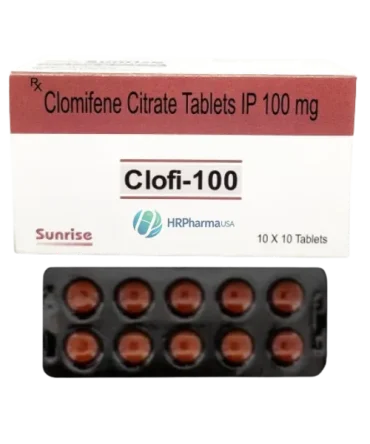
- Clomisign 100 mg (Clomiphene)
- Clofert 50 mg (Clomiphene)
- Clomisign 50 mg (Clomiphene)
- Enclomisign 50 Tablet (Buy Enclomiphene Citrate)
Substitutes and alternatives
Which alternative makes sense depends on the diagnosis, lab results, ultrasound findings, and pregnancy goals. Options a clinician may consider include:
- Clomid (brand clomiphene citrate): Historically, the best-known brand version. Availability can vary, and many people use generic clomiphene instead.
- Letrozole (Femara): Often used for ovulation induction, especially in PCOS, depending on the clinician’s preference and patient factors.
- Gonadotropin injections (FSH, sometimes with LH): Used in more closely monitored fertility cycles; higher cost and more monitoring.
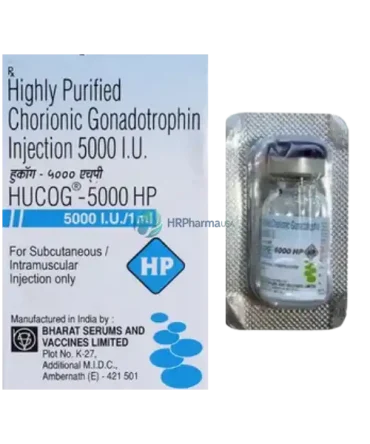
- hCG trigger injections, which contain human chorionic gonadotropin, are used to time ovulation in certain treatment plans once follicles are ready.
- Tamoxifen is another SERM that is sometimes used in certain fertility protocols, but it is not the first choice for many patients.
Storage and handling
FAQs
1. Do I need a prescription for Clomiphene 50 mg (generic)?
Yes. Clomiphene is a prescription medication, and a clinician should confirm it is appropriate based on your medical history and fertility goals.
2. Is clomiphene a controlled substance?
No, clomiphene is not typically classified as a controlled substance under federal scheduling.
3. Can I drink alcohol while taking clomiphene?
Some clinicians advise limiting alcohol during fertility treatment since it can worsen headaches, sleep, and hormone-related symptoms. Ask your prescriber what is appropriate for you.
4. How long does clomiphene stay in the body?
Clomiphene can persist because some metabolites have long half-lives. Exact timing varies by person, so your clinician will guide cycle timing and when to start or stop.
5. Can clomiphene affect lab tests?
It can influence hormone labs tied to ovulation and reproductive hormones, potentially leading to inaccurate results that may affect treatment decisions. If you are having blood work done, tell the ordering clinician you are taking clomiphene.
| size | 100 Tablets, 200 tablet/s, 300 Tablet/s |
|---|
Please sign in to My Account to leave a review.
Reviews
There are no reviews yet.