
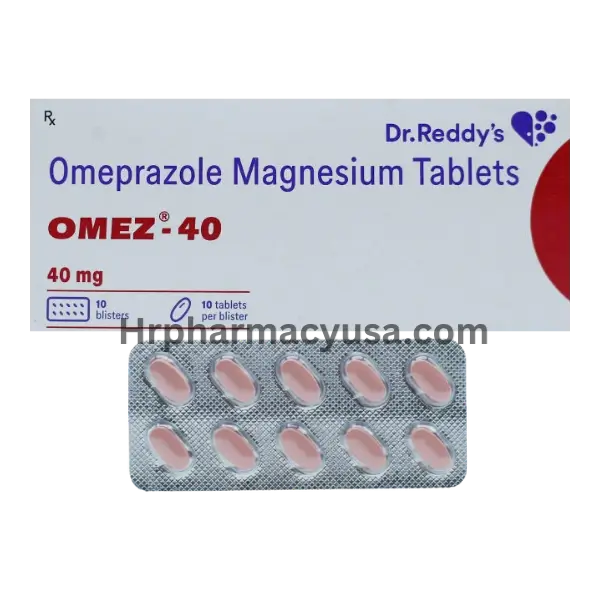
Omeprazole 40 mg (Generic)
Omeprazole 40 mg is a proton pump inhibitor prescribed for acid reflux, GERD, heartburn, and stomach ulcers. It cuts down stomach acid production, so damaged tissue gets a chance to heal. Doctors typically prescribe this higher dose when 20 mg does not do enough. You take it once daily before eating, and most people notice real improvement within a few days.
| Active Ingredient: | Omeprazole |
|---|---|
| Indication: | Acidity, Heartburn, Stomach ulcers |
| Manufacturer: | Dr Reddy's Laboratories Ltd |
| Packaging: | 10 tablets in 1 strip |
| Strength: | 40mg |
| Delivery Time: | 6 To 15 days |
Omeprazole 40 mg (Generic)
| Variant | Price | Units | Quantity | Add to Cart |
|---|---|---|---|---|
| 30 Capsule/s | $19.00 | $0.63 / Tablet | ||
| 60 Capsule/s | $29.00 | $0.48 / Tablet | ||
| 90 Capsule/s | $42.00 | $0.47 / Tablet |
What is Omeprazole 40 mg(Generic)?
Omeprazole 40 mg belongs to a group of medicines called proton pump inhibitors, often shortened to PPIs. People take it when their stomach produces more acid than it should, leading to pain, burning, and tissue damage in the digestive tract.
This particular strength is the generic version, meaning it has the exact same active ingredient and works the same way as brand-name products, just without the higher price tag.
Doctors reach for this dose when someone has a stubborn case of GERD, deep ulcers, or a condition that did not get better with a lower dose.
How Does It Actually Work?
Your stomach lining has these small structures called proton pumps. Their whole job is to push acid into the stomach. Omeprazole 40 mg shuts those pumps down, so a lot less acid gets released.
Once acid levels drop, the raw, irritated tissue in your oesophagus or stomach wall finally gets breathing room to start healing. You might feel some relief within a couple of days, but the full healing process can stretch anywhere from four weeks to eight weeks, depending on what you are dealing with.
What Conditions Does It Treat?
- GERD, which is that chronic acid reflux that keeps coming back
- Erosive esophagitis, where acid literally damages the lining of the food pipe
- Stomach ulcers and duodenal ulcers
- Zollinger-Ellison syndrome, a rare condition that cranks up acid production far beyond normal
- H. pylori infections are treated using specific antibiotics to clear the bacteria out
The Right Way to Take It
Pop the capsule about 30 to 60 minutes before your first meal. Use a full glass of water and swallow it whole. Do not break it apart, chew it, or dump out the contents unless your doctor specifically tells you that it is okay. Keeping a consistent schedule matters because the drug works best when your body maintains a steady level of it.
Most treatment courses run between four and eight weeks. Some conditions, particularly Zollinger-Ellison syndrome, call for longer use, and your doctor will keep tabs on how things are going with periodic checkups.
Side Effects You Should Know About
A lot of people tolerate Omeprazole 40 mg just fine. When side effects do pop up, they tend to be pretty manageable. The ones reported most often include headaches, mild nausea, loose stools or constipation, some stomach discomfort, and occasional bloating or gas.
Rare but more serious problems can happen. Prolonged use has been linked to drops in magnesium and vitamin B12 levels. There is also a small increased risk of bone fractures in the hip, wrist, or spine, especially in older adults who use the drug for a long time. Some people develop C. difficile infections, which cause severe, watery diarrhoea.
If you get intense stomach pain, muscle cramps that will not quit, or any signs of an allergic reaction like swelling of the face, hives, or trouble breathing, stop taking it and get medical help right away.
Things to Tell Your Doctor First
Be upfront about your health history before you start on this medication. If you have liver problems, low magnesium, or bones that are already weakened from osteoporosis, your doctor needs to know. Certain drugs do not play well with omeprazole.
Clopidogrel is a big one because omeprazole can reduce its effectiveness, and that creates a real safety concern for people with heart conditions. Methotrexate, some antifungal drugs, and certain HIV medications can also interact.
If you are pregnant or breastfeeding, talk to your doctor before using it. And for anyone who ends up on this medication for months or longer, regular lab work to track nutrient levels and kidney function is a smart move.
Available Strengths
Substitutes
- Biomezole 20 Mg (Omeprazole)
- Omesec 20 mg (Omeprazole)
- Prilosec is the original brand-name omeprazole.
- Protonix is pantoprazole, another widely prescribed PPI.
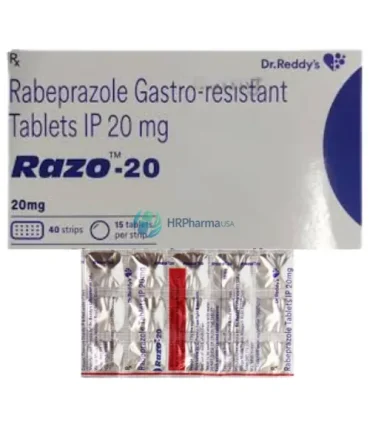
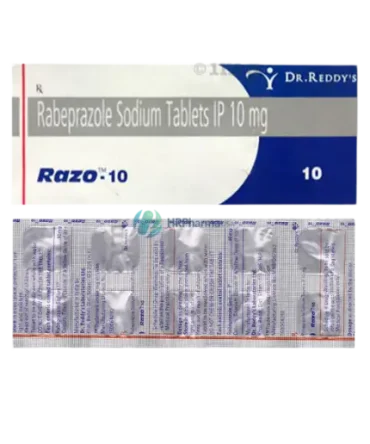
- AcipHex contains rabeprazole
- Prilosec OTC is sold without a prescription at the 20 mg dose.
- Zegerid combines omeprazole with sodium bicarbonate for faster absorption.
- Nexium contains esomeprazole, a close relative of omeprazole.
- Prevacid uses lansoprazole as its active ingredient.
- Dexilant uses dexlansoprazole and offers a dual-release formula.
FAQs
| size | 30 Capsule/s, 60 Capsule/s, 90 Capsule/s |
|---|
Please sign in to My Account to leave a review.

Reviews
There are no reviews yet.