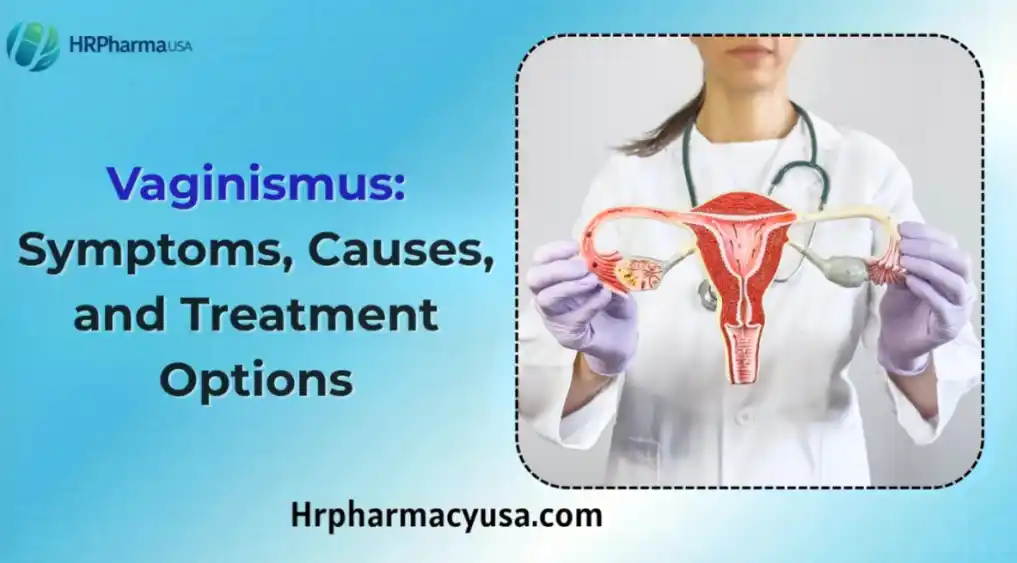
Vaginismus is when the muscles around the vaginal opening tighten up automatically—often without you choosing it—making penetration painful, difficult, or sometimes impossible. Penetration here can mean sex, a tampon, a menstrual cup, fingers, or even a pelvic exam.
A useful way to picture it: your body is acting like it has a super-sensitive “security system.” If it detects a threat (pain, fear, pressure, uncertainty), it slams the door shut. Not because you’re “broken,” but because your nervous system is trying to protect you.
Vaginismus vs. Dyspareunia vs. Vulvodynia
These terms get mixed up a lot, so let’s simplify:
- Vaginismus: Involuntary tightening of vaginal muscles that blocks or makes penetration difficult.
- Dyspareunia: Pain strictly occurring during sexual activity, from various causes.
- Vulvodynia: Ongoing pain in the vulva area, often as burning or stinging, without a clear cause.
These conditions can overlap. For example, vulvar pain may make penetration scary, which in turn can trigger muscle guarding—hello, vaginismus.
Primary vs. Secondary Vaginismus
Primary (Lifelong) Vaginismus
This is when penetration has always been difficult or painful—since the first attempt with anything (tampons, fingers, sex, exams). Many people with primary vaginismus describe years of confusion: “Why does this feel impossible when it seems easy for everyone else?”
Secondary (Acquired) Vaginismus
This is when penetration used to be okay, but becomes painful or difficult later. It might start after:
- childbirth
- surgery
- infections
- menopause-related dryness
- a painful relationship experience
- a stressful life period that ramps up anxiety
Understanding Why Vaginismus Happens: The Mind–Body Loop
Vaginismus often lives in a loop:
- Something hurts (or you fear it will).
- Your body braces—pelvic floor muscles tighten.
- Penetration feels painful or blocked.
- Your brain learns: “Penetration = danger.”
- Your body picks up on the learned pattern and tightens even more quickly the next time.
This isn’t “all in your head.” It’s more like learning to flinch when something comes at your face—your body reacts before your thoughts finish their sentence.
The hopeful part? Learned responses can be unlearned. With the right support, that loop can turn into a calmer pattern: safety → softness → comfort → confidence.
Common Symptoms of Vaginismus
Physical Symptoms
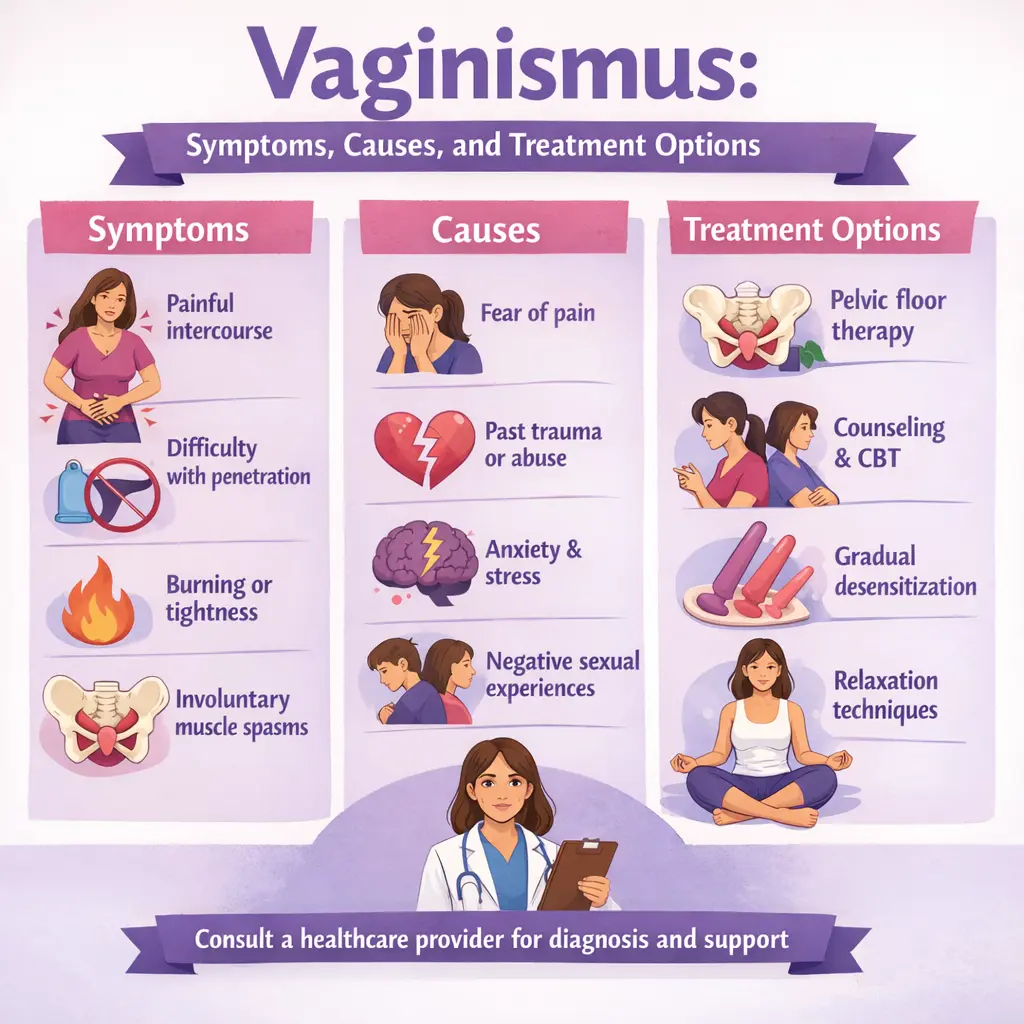
Vaginismus can show up differently from person to person, but common physical signs include:
- a feeling of hitting a wall at the vaginal opening
- burning, stinging, or sharp pain with penetration attempts
- tightness or “clamping” sensations
- pain that improves when you stop, then returns when you try again
- pelvic floor tension (sometimes felt as aching in the pelvis, hips, or lower back)
Emotional and Mental Symptoms
This isn’t just physical—vaginismus often drags a lot of emotional baggage behind it:
- anxiety before sex or exams
- dread around tampons or gynecologic visits
- shame (“What’s wrong with me?”)
- frustration or grief (especially if you want penetrative sex or pregnancy)
- relationship tension from pressure, misunderstanding, or avoidance
How It Can Show Up in Real Life
During Sex (or Attempts at Penetration)
You might want intimacy, feel aroused, and still have your body react like, “Nope.” That mismatch can be confusing. Some people can tolerate shallow penetration but not deeper penetration. Others can’t tolerate any penetration at all.
With Tampons or Menstrual Cups
If tampons feel impossible or intensely painful, that can be a big clue—especially in primary vaginismus.
During a Pelvic Exam
Even the idea of a speculum can trigger tightening. And if a past exam felt rushed or painful, your nervous system may remember that experience very clearly.
Causes and Contributing Factors
Vaginismus is typically a mix of body, brain, and life context rather than a single cause.
Anxiety, Fear, and the “Threat Alarm”
If your nervous system is on high alert, pelvic floor muscles can stay on guard too. This might be general anxiety, performance pressure, fear of pain, fear of pregnancy, or even fear of being judged.
Think of it like trying to fall asleep while someone keeps flipping the lights on. Relaxation becomes… not impossible, but definitely harder.
Past Painful Experiences
Sometimes vaginismus starts because penetration did hurt—maybe due to dryness, an infection, or a medical condition. The body learns to brace to prevent that pain from happening again.
Sexual Trauma or Boundary Violations
Not everyone with vaginismus has trauma—but trauma can be a major contributing factor. The body may protect itself through muscle guarding, even if you logically know you’re safe now.
Medical and Gynecologic Contributors
Infections, Irritation, and Skin Conditions
Things like yeast infections, bacterial vaginosis, STIs, dermatitis, or skin conditions (like lichen sclerosus) can cause pain and inflammation that kick-start the guarding response.
Hormonal Changes (Postpartum, Breastfeeding, Menopause)
Lower estrogen can mean thinner tissue, dryness, and easier irritation. That can make penetration painful, which can then lead to tightening. This is common:
- postpartum (especially while breastfeeding)
- during perimenopause/menopause
- with certain hormonal medications
Pelvic Surgery, Injury, or Childbirth-Related Pain
Scarring, pelvic floor injury, episiotomy pain, or pelvic pain conditions can change how the area feels. If your body expects pain, it may brace automatically.
Relationship Stress and Cultural Messaging
Pressure is fuel for vaginismus. So are messages like:
- “Sex is supposed to hurt.”
- “You just need to relax.”
- “If you love your partner, you should be able to do it.”
Spoiler: guilt is not a treatment plan. Safety and patience are.
Risk Factors (Who’s More Likely to Experience It?)
Vaginismus can happen to anyone with a vagina, but some factors increase the likelihood:
- history of painful penetration
- anxiety disorders or high stress
- strict or shame-based sexual upbringing
- trauma (sexual or medical)
- pelvic floor overactivity (tight muscles that struggle to relax)
- postpartum or menopausal hormone shifts
- chronic pelvic pain conditions (like endometriosis)
When to See a Clinician (and What You Can Ask For)
If penetration is painful, blocked, or causing distress, that’s a good enough reason to get support. You don’t need to “earn” care by suffering longer.
You can also ask for what you need, like:
- a slower exam
- Stopping anytime on request
- using a smaller speculum
- trying the exam another day
- focusing on history and education first, exam later
How Vaginismus Is Diagnosed
A Good History Is Half the Diagnosis
Many clinicians can identify vaginismus based on your description alone. Helpful details include:
- when it started (lifelong vs acquired)
- What triggers it (tampons, sex, exams)
- whether pain is burning, sharp, deep, or at the entrance
- medical history (infections, childbirth, surgery, menopause)
- anxiety, stress, or trauma history (only what you’re comfortable sharing)
Pelvic Exam: Consent, Comfort, and Options
A pelvic exam may be offered to rule out medical causes of pain. But it should never feel like something being done to you.
Trauma-Informed Exam Tips
A trauma-informed (and just plain respectful) approach can include:
- explaining every step before it happens
- asking permission repeatedly (“Is it okay if I…?”)
- allowing you to insert the speculum yourself (in some settings)
- using lots of lubricant and the smallest speculum
- stopping immediately if you say stop—no debate
Ruling Out Other Causes of Pain
Because vaginismus can overlap with other conditions, a clinician may evaluate for:
- infections
- skin conditions
- vulvodynia/vestibulodynia
- endometriosis (especially if deep pelvic pain is present)
- pelvic floor myalgia (muscle pain)
- dryness/atrophy related to low estrogen
Treatment Options That Actually Help
Here’s the good news: vaginismus is treatable. Most people improve significantly with the right combination of approaches.
Education and Reassurance (Yes, This Matters)
When you understand what’s happening, things often get less scary. Knowing “my body is protecting me” can replace “my body is betraying me.”
Education often includes:
- Basic pelvic floor anatomy
- pain science (how the nervous system amplifies danger signals)
- arousal and lubrication basics
- How to reduce pressure while you retrain the response
Pelvic Floor Physical Therapy
Pelvic floor PT can be very effective for vaginismus when muscle tension is a key factor.
What Pelvic PT Sessions Can Look Like
Depending on your comfort level, pelvic PT may include:
- external assessment (hips, abdomen, posture, breathing)
- internal assessment (only if/when you consent)
- learning how to relax pelvic floor muscles (down-training)
- gentle manual therapy for tight, tender muscles
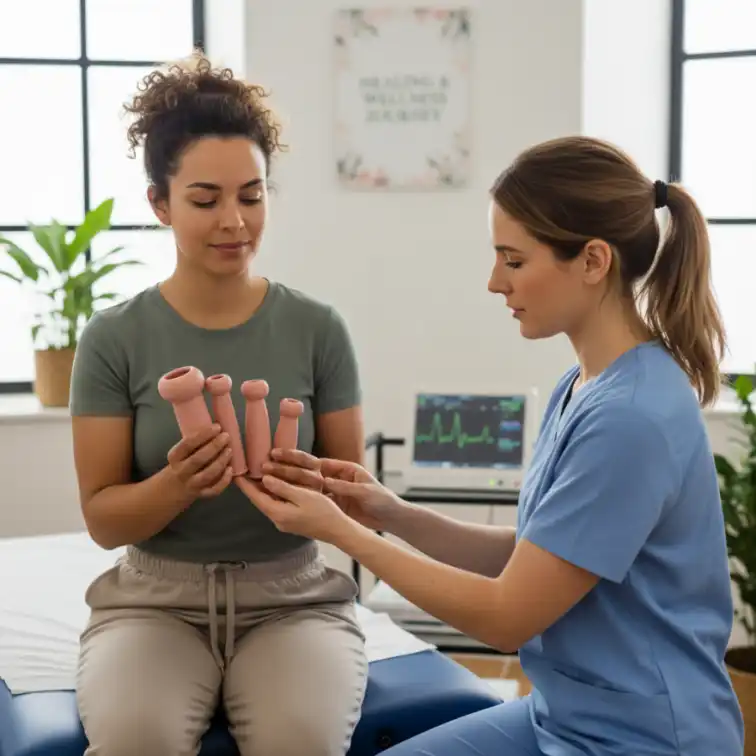
- guidance on dilators or comfortable penetration practice
A good pelvic PT won’t rush you. The pace should feel collaborative, not like a countdown.
At-Home Pelvic Floor Down-Training
Many people benefit from:
- diaphragmatic breathing (“belly breathing”)
- gentle hip and pelvic stretches
- relaxation routines that calm the nervous system
- learning the difference between clenching and releasing
Important note: Kegels (squeezing exercises) are not always helpful for vaginismus—if the muscles are already tight, more tightening can backfire.
Vaginal Dilator Therapy
Dilators are smooth, tampon-shaped tools in graduated sizes used to retrain the body to tolerate penetration comfortably. They’re not about “forcing” anything. Think of them like physical therapy for any tight muscle—slow, progressive, and respectful.
How to Choose Dilators (Size, Material, Shape)
Common options:
- silicone (often most comfortable)
- plastic (firm, sometimes easier for gradual progress)
- sets with multiple sizes (helpful for stepwise progression)
A clinician or pelvic PT can help you choose the right set and size to start with.
A Step-by-Step Way to Practice
A gentle framework many people use:
- Set the scene: privacy, warmth, time, no rushing.
- Start with relaxation: 3–5 minutes of slow breathing.
- Use lots of lubricant: more than you think you need.
- Begin at a comfortable size: small enough that success feels likely.
- Practice “insertion + pause + breathe”: let your body learn it’s safe.
- Stop before you’re overwhelmed: you’re building trust, not proving toughness.
- Repeat consistently: small, frequent practice often beats occasional long sessions.
Progress can be non-linear. Some days you’ll feel like you levelled up; other days your body is like, “Not today.” That’s normal.
Counselling Approaches (CBT, Sex Therapy, Mindfulness)
Because vaginismus often involves fear, anticipation, and pressure, counselling can be a game-changer.
CBT (cognitive behavioural therapy) can help you:
- reduce catastrophic thinking (“This will always hurt”)
- work with avoidance cycles
- build coping tools for anxiety and panic responses
Mindfulness skills can help you notice sensations without spiralling into danger mode.
What Sex Therapy Typically Focuses On
Sex therapy often addresses:
- communication and consent
- reducing performance pressure
- rebuilding intimacy without penetration as the “goal”
- arousal, desire differences, and pleasure mapping
- trauma-informed pacing (if trauma is part of the story)
Medical Treatments
Treating Underlying Conditions First
If there’s an infection, skin condition, or hormonal dryness causing pain, treating that can reduce the trigger that keeps the guarding reflex alive.
Lubricants and Vaginal Moisturisers
If friction is part of the pain, lubrication can make a huge difference.
- Lubricants help during sexual activity or dilator practice.
- Moisturisers help improve day-to-day comfort and dryness.
Topical Estrogen (When Hormones Are a Factor)
For postpartum or menopausal changes, a clinician might recommend topical estrogen (when appropriate). This can improve tissue comfort and reduce pain, making physical therapy and retraining easier.
Botox Injections (For Selected Cases)
In some cases—typically when pelvic floor spasm is severe and persistent—Botox injections into pelvic floor muscles may be considered. It’s not usually a first-line option, but it can help certain people when combined with therapy and dilation.
Partner-Involved Strategies (If You Have a Partner)
If you’re in a relationship, having a supportive partner can lower pressure and speed progress. Helpful partner behaviours include:
- letting you set the pace (always)
- not treating penetration like a pass/fail test
- celebrating small wins (comfort, relaxation, communication)
- exploring intimacy that isn’t penetration-focused
A simple mindset shift helps: penetration is a bonus, not the definition of “successful sex.”
Self-Help Strategies Between Appointments
Breathing, Relaxation, and Nervous System Reset
If your body is bracing, you’ll get more mileage from calming the system than “trying harder.”
Try:
- Inhale for 4, exhale for 6 (longer exhales cue safety)
- a warm bath or heating pad on the pelvis
- gentle stretching for hips/adductors
- body scans (noticing tension and letting it soften)
Communication That Lowers Pressure
If you have a partner, try language like:
- “I want intimacy, but I need to take penetration off the table for now.”
- “My goal is comfort and trust, not pushing through.”
- “If I say stop, I need you to stop immediately—no questions.”
Clear scripts reduce misunderstandings and prevent that awful “I don’t want to disappoint you” spiral.
A “Pleasure-First” Intimacy Plan (Without Rushing Penetration)
Pressure is like slamming the gas pedal while the parking brake is on. Instead, rebuild positive experiences:
- Focus on kissing, touch, and massage
- explore what feels good externally
- keep sessions short and light
- end on a good note (before anxiety spikes)
Pleasure creates safety. Safety creates relaxation. Relaxation makes penetration more possible.
What to Expect: Timeline, Progress, and Setbacks
How You’ll Know It’s Working
Progress isn’t only “penetration happened.” Real signs of improvement include:
- less fear before intimacy or exams
- quicker muscle relaxation after tension starts
- ability to use a smaller dilator comfortably, then gradually size up
- feeling more in control and less ashamed
- better communication and less avoidance
Some people improve in weeks; others take months. What matters most is steady, supported progress—not speed.
Myths vs. Facts About Vaginismus
| Myth | Fact |
|---|---|
| “If you’re aroused enough, it won’t happen.” | Arousal helps, but the reflex can still override it. |
| “Just relax.” | Relaxation is a skill, and sometimes you need therapy tools to get there. |
| “It’s all psychological.” | It’s a real physical muscle response, often influenced by both physical and emotional factors. |
| “It means you don’t want sex.” | Many people with vaginismus want sex deeply—the body is just stuck in protect mode. |
Special Situations
Trying to Conceive With Vaginismus
If intercourse is too painful, you still have options to discuss with a clinician, such as:
- Treating vaginismus first while tracking ovulation
- alternative insemination approaches (at-home or clinical, depending on legality/safety and medical guidance)
- fertility support that doesn’t require traumatic exams (ask about gentle, consent-based care)
After Childbirth
Postpartum pain, scars, dryness (especially with breastfeeding), and fear of re-injury can all contribute to secondary vaginismus. Pelvic PT and hormone-aware care can be especially helpful here.
Perimenopause and Menopause
Lower estrogen can make tissue more sensitive and dry, which can trigger pain and guarding. Treatment may combine:
- moisturisers/lube
- topical estrogen (when appropriate)
- pelvic PT and gradual retraining
LGBTQ+ and Trans/Nonbinary Considerations
Vaginismus care should be inclusive and tailored. Dysphoria, past medical trauma, or anxiety around exams can intensify muscle guarding. You deserve clinicians who:
- Use correct names/pronouns.
- Ask for consent clearly.
- offer options that respect your body and boundaries
How to Find the Right Care Team
A strong care team might include:
- a gynecologist or primary care clinician who takes pain seriously
- a pelvic floor physical therapist
- a psychologist/CBT therapist or certified sex therapist
When you’re screening providers, questions that can save time:
- “Do you treat vaginismus regularly?”
- “Are you comfortable with trauma-informed care?”
- “Can we go at my pace and stop anytime?”
- “Do you collaborate with pelvic floor PTs or sex therapists?”
If a provider dismisses you or rushes you, it’s okay to find someone else. Your body isn’t the problem—your support system might be.
Conclusion
Vaginismus can feel isolating, frustrating, and deeply personal—but it’s also highly treatable. The core issue is often a protective reflex that got a little too good at its job. With the right mix of education, pelvic floor physical therapy, gradual exposure (like dilators), and emotional support (like CBT or sex therapy), many people reduce pain dramatically and regain a sense of control and ease. You’re not “failing” at sex or exams—your body is asking for safety, patience, and a plan that actually fits you.
FAQs
Can vaginismus go away on its own?
Sometimes symptoms fluctuate, but many people improve faster and more fully with targeted treatment like pelvic floor physical therapy and gradual retraining. If it’s been persistent, getting help usually saves time and stress.
Is vaginismus always caused by trauma?
No. Trauma can be a factor for some, but others develop vaginismus from hormonal changes, infections, painful first experiences, anxiety, or pelvic floor muscle overactivity without any trauma history.
Do vaginal dilators hurt to use?
They shouldn’t be used in a “push through pain” way. With the right size, enough lubrication, and slow pacing, dilator therapy is meant to feel manageable and increasingly comfortable over time.
What if I can’t tolerate a pelvic exam at all?
You can ask to postpone the exam, request a smaller speculum, ask for a trauma-informed approach, or focus on history and non-invasive steps first. A respectful clinician will work with your boundaries.
What’s the most effective treatment for vaginismus?
There isn’t one single best option for everyone, but a combination tends to work best: pelvic floor physical therapy + gradual exposure (often dilators) + anxiety/pressure reduction (CBT or sex therapy) + addressing any underlying medical pain or dryness.