Clobetasol propionate is considered a “super potent” topical
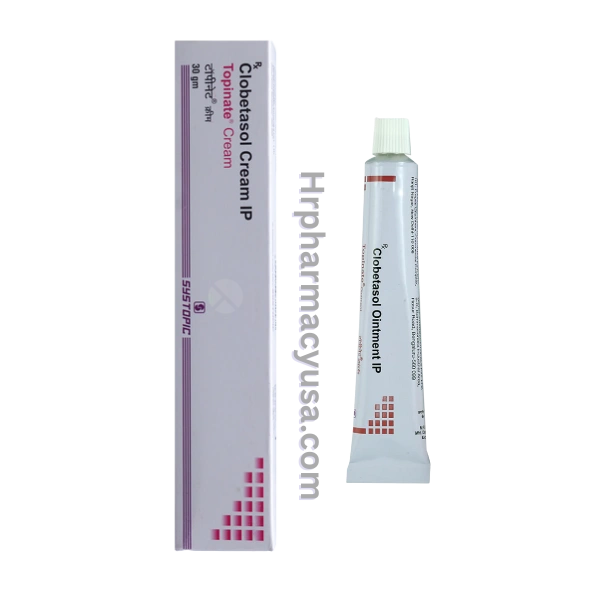
corticosteroid. That matters because potency is closely tied to both results and risk.In practice, Topinate Cream is typically used for short-term treatment of steroid-responsive skin conditions such as plaque psoriasis and severe eczema or dermatitis flares, when your prescriber believes a high-potency medication is appropriate.
People often search for it using terms like clobetasol cream 0.05, strong steroid cream for psoriasis, eczema flare cream, itch relief for dermatitis, or topical corticosteroid for thick plaques.
What You Can Expect
This is not a moisturizer, and it does not “cure” chronic skin conditions. What it often does well is reduce inflammation, so symptoms like itching and visible redness ease, and thick patches start to soften.
If you are not seeing meaningful improvement within the timeframe your prescriber gave you, it is worth checking in with your prescriber. Sometimes the problem is the diagnosis (for example, a fungal rash can look like eczema), sometimes it is the location, and sometimes a different plan is needed.
How to Apply
Topical Cream is generally applied as a thin layer to the affected skin. Many clobetasol products are used twice daily for limited periods, but your directions may differ depending on the rash’s location and severity.
Follow the prescription label. Using more than instructed or covering large areas can increase absorption through the skin and raise the chance of side effects.
Areas where extra caution is needed
High-potency steroids are not “one size fits all” for every body area. Skin on the face, groin, and underarms is more sensitive and more likely to develop irritation or thinning, so clobetasol is often avoided there unless a clinician specifically directs it.
The same goes for using it on broken skin, under tight coverings, or for long stretches without reassessment.
Side effects to know about
Some side effects are local and show up right where you apply it. These can include burning, stinging, dryness, irritation, acne-like bumps, and skin thinning with overuse. Stretch marks and visible tiny blood vessels can also happen, especially in sensitive areas or with prolonged use.
Because it is so potent, larger amounts or longer courses can sometimes cause systemic effects (your body absorbing enough steroid to matter), including adrenal suppression.
This is one reason prescribers keep treatment courses short and specific. Seek medical help right away for signs of a serious allergic reaction (such as swelling, severe rash, or trouble breathing), though that is uncommon.
When it may not be the right choice
Topinate Cream is not meant for every rash. If the issue is primarily an infection (such as certain fungal, bacterial, or viral infections), steroids can sometimes worsen it or mask the underlying process.
If your rash is spreading quickly, oozing, crusting, painful, or accompanied by fever, it is safer to get evaluated rather than simply applying a stronger steroid.
Storage and handling
Store at room temperature and keep the cap tightly closed. Do not use past the expiration date, and keep it out of reach of children.
Available Strengths and Forms in the Market
Topinate Cream is commonly seen as clobetasol propionate 0.05% cream (0.5 mg/g).
Availability can vary by manufacturer and prescription supply. In the broader market, clobetasol may also be found as:
Always confirm the exact strength and form on your prescription label, since “clobetasol” products are not interchangeable in terms of how they feel on the skin or where they are best used.
1) Can I use Topinate Cream during pregnancy?
Ask your prescriber. Topical steroids are sometimes used during pregnancy, but with potent options like clobetasol, clinicians often prefer the lowest effective strength for the shortest time.
2) Is Topinate Cream safe while breastfeeding?
It can depend on where you apply it and how much you apply. Avoid applying it to the breast/nipple area unless your clinician specifically instructs you to, and discuss safer alternatives if needed.
3) Do I need to taper off Topinate Cream, or can I stop suddenly?
For short courses, many people stop when directed. For longer or repeated use, some clinicians prefer a step-down plan to reduce rebound flaring. Follow your prescriber’s instructions.
4) Can I put sunscreen over Topinate Cream?
Many people do, but timing matters. If you need both, ask your clinician or pharmacist about layering orders and how long to wait between products so you do not dilute either one.
5) Can Topinate Cream be used with retinoids, benzoyl peroxide, or exfoliating acids?
Combining strong actives can increase irritation. If you use acne or anti-aging products, it is worth checking with a professional before combining them on the same area.

Reviews
There are no reviews yet.