
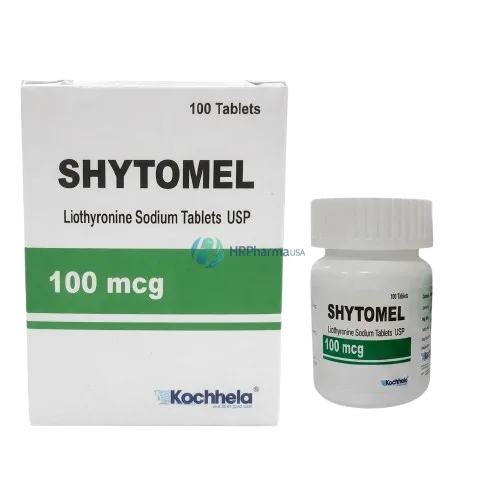
Shytomel 100 mcg (Liothyronine T3)
Shytomel 100 mcg (Liothyronine T3) is a prescription thyroid hormone tablet containing liothyronine sodium, used for selected thyroid conditions when a healthcare professional decides T3 therapy is appropriate.
| Active Ingredient | Liothyronine T3 |
|---|---|
| Indication: | Hypothyroidism |
| Manufacturer | Kachhela Medex Pvt. Ltd. |
| Packaging | 100 tablets in bottle |
| Strength | 100mg |
| Delivery Time | 6 to 15 days |
Shytomel 100 mcg (Liothyronine T3)
| Variant | Price | Units | Quantity | Add to Cart |
|---|---|---|---|---|
| 100 tablet/s | $180.00 | $1.8 / Tablet | ||
| 200 tablet/s | $330.00 | $1.65 / Tablet | ||
| 300 Tablet/s | $430.00 | $1.43 / Tablet |
Shytomel 100 mcg (Liothyronine T3)
Shytomel 100 mcg (Liothyronine T3) contains liothyronine, a synthetic form of triiodothyronine, better known as T3.
Liothyronine is mainly used as thyroid hormone replacement when the body does not produce enough thyroid hormone. It may be prescribed for certain types of hypothyroidism, which is its primary use. In some situations, it may also be used as part of treatment that requires thyroid-stimulating hormone, or TSH, suppression. The exact reason for using T3 depends on the patient’s thyroid condition, blood test results, medical history, and previous treatment.
Unlike levothyroxine, which provides synthetic T4 hormone, liothyronine supplies T3 directly. This difference matters because T3 acts more quickly in the body and needs careful dosing.
What Is Shytomel 100 mcg Used For?
Liothyronine medicines are used mainly for thyroid hormone replacement, especially in primary hypothyroidism. They may also be considered in secondary or tertiary hypothyrodism, depending on the cause of low thyroid hormone levels.
In some carefully managed cases, liothyroninie can also be used to suppress TSH as part of treatment for well-differentiated thyroid cancer. It has also been used in specific thyroid suppression testing. These uses are secondary and require medical supervision, so they should not be confused with routine self-treatment for an underactive thyroid.
Shytomel is not a weight-loss medicine. Thyroid hormones should not be taken for obesity or used to speed up metabolism in people whose thyroid hormone levels are already normal. Its key role is thyroid hormone replacement, not symptom-driven or cosmetic use. Taking excessive thyroid hormone can cause serious and potentially life-threatening problems.
How Does Liothyronine T3 Work?
The thyroid normally releases T4 and T3 hormones. T4 acts partly as a reserve hormone and can be converted by the body into T3. T3 is the form that interacts strongly with thyroid hormone receptors in cells.
Liothyronine supplies this T3 hormone directly. Once absorbed, it helps replace thyroid hormone activity when the body does not have enough of it. When treatment is properly adjusted, thyroid hormone replacement can help bring hormone levels closer to the range intended by the treating clinician.
Because T3 has a relatively direct effect, taking too much can also lead to signs of excess thyroid hormone. This is why blood tests, symptoms, heart health, other medicines, and the patient’s overall condition all matter when deciding the dose.
Shytomel 100 mcg Dosage
There is no single liothyronine dose that is right for every patient. Dose requirements can differ widely based on age, body weight, thyroid test results, heart health, other medical conditions, pregnancy, and medicines taken at the same time.
The 100 mcg strength should not automatically be considered a standard starting dose. Current U.S. prescribing information for liothyronine shows that dosing is individualized and adjusted according to clinical response and laboratory results. Patients with heart disease and older adults may require particularly cautious dosing.
Take Shytomel only in the amount prescribed. Do not increase the dose because symptoms have not improved quickly, and do not reduce or stop thyroid treatment without discussing the change with the prescriber.
Available Liothyronine Strengths
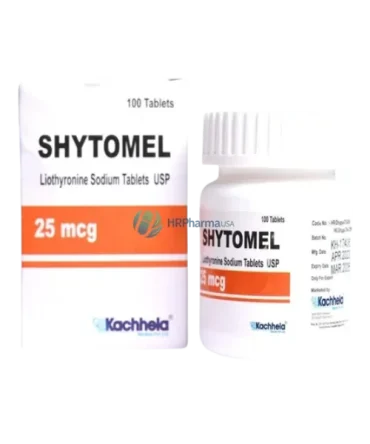
Shytomel 100 mcg provides a 100 mcg liothyronine T3 strength. Other Shytomel strengths may also be available, depending on the manufacturer and the market where the product is supplied.
For liothyronine sodium tablets currently marketed in the United States, commonly labelled strengths include:
- Shytomel 5 mcg (Liothyronine T3)
- Liothyronine 25 mcg
- Liothyronine 50 mcg
Shytomel 100 mcg Substitutes and Alternatives
Products containing the same active ingredient may be considered when Shytomel is unavailable or when a prescriber prefers another manufacturer. These alternatives should be chosen based on the prescribed liothyronine treatment, not on the tablet count alone.
Common liothyronine alternatives include:
- Cytomel (Liothyronine Sodium): available in 5 mcg, 25 mcg, and 50 mcg tablets
- Generic Liothyronine Sodium 5 mcg
- Linorma T3 (Liothyronine Sodium 20mcg)
- Generic Liothyronine Sodium 25 mcg
- Generic Liothyronine Sodium 50 mcg
Cytomel and generic liothyronine contain the same type of thyroid hormone, but tablet strength, inactive ingredients, manufacturer, and prescribed dosing may differ. A 100 mcg Cytomel tablet should therefore not be replaced with another product without confirming the correct dose.
Levothyroxine is another widely used thyroid medicine, but it is not a direct substitute for liothyronine. Levothyroxine contains T4 rather than T3, so switching between the two requires a clinician to decide the appropriate treatment and dose.
Side Effects of Shytomel 100 mcg
- Fast or irregular heartbeat
- Feeling nervous or unusually restless
- Tremor or shaking
- Trouble sleeping
- Increased sweating
- Heat intolerance
- Headache
- Diarrhea
- Changes in appetite
- Unexplained weight changes
- Muscle weakness
Medicines and Health Conditions to Discuss Before Use
Thyroid medicines can interact with several prescription drugs and may also affect the management of other conditions. Tell the prescriber about all medicines, vitamins, and supplements being used.
Extra care may be needed for people with heart disease, diabetes, adrenal gland problems, or conditions that affect bone health. Liothyronine can also interact with medicines such as blood thinners, diabetes treatments, certain antidepressants, and some medicines that change thyroid hormone absorption or activity.
FAQs
1. Is Shytomel the same medicine as levothyroxine?
2. Does Shytomel 100 mcg contain T4?
3. What should I do if I forget a dose?
4. How should Shytomel tablets be stored?
5. Can I change from one liothyronine brand to another?
| size | 100 tablet/s, 200 tablet/s, 300 Tablet/s |
|---|
Please sign in to My Account to leave a review.
Reviews
There are no reviews yet.