Ivermectin 12 mg (Antiparasitic Tablet)
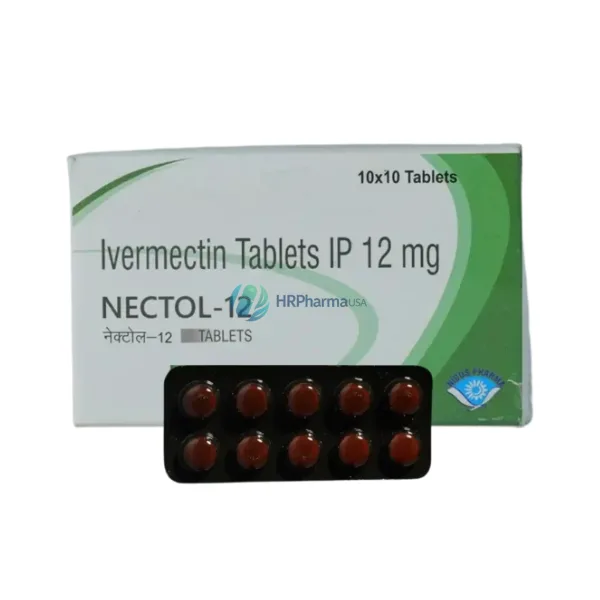
Ivermectin 12 mg (Antiparasitic Tablet) is a prescription antiparasitic medication used to treat certain worm infections. Follow a clinician’s diagnosis, weight-based dosing plan, and product-specific labeling.
| Active Ingredient: | Ivermectin |
|---|---|
| Indication: | Scabies, Filariasis |
| Manufacturer: | Nidus Pharma Pvt. Ltd. |
| Packaging: | 10 Tablet in 1 strip |
| Strength: | 12mg |
| Delivery Time: | 6 To 15 days |
Ivermectin 12 mg (Antiparasitic Tablet)
| Variant | Price | Units | Quantity | Add to Cart |
|---|---|---|---|---|
| 50 Tablets | $45.00 | $0.9 /Tablet | ||
| 100 Tablets | $80.00 | $0.8 /Tablet | ||
| 200 Tablets | $150.00 | $0.75 /Tablet | ||
| 300 Tablets | $220.00 | $0.73 /Tablet |
Information About Ivermectin 12 mg (Antiparasitic Powerhouse)
Ivermectin 12 mg (Antiparasitic Tablet) is an oral antiparasitic medicine used for selected infections caused by parasitic worms. FDA-approved ivermectin tablets are indicated for intestinal strongyloidiasis and onchocerciasis. Strongyloidiasis is caused by Strongyloides stercoralis, while onchocerciasis, also known as river blindness, is caused by Onchocerca volvulus.
Ivermectin belongs to a group of medicines called anthelmintics. It works by affecting nerve and muscle activity in certain parasites. This causes paralysis and death of susceptible parasites, helping the body clear the infection.
Ivermectin’s effect depends on the type of parasite being treated. In onchocerciasis, ivermectin reduces microfilariae, which are immature forms of the parasite. It does not kill adult Onchocerca volvulus worms, so follow-up care and additional treatment may sometimes be required.
Ivermectin for Parasitic Worm Infections
Healthcare professionals mainly use oral ivermectin when they have confirmed or strongly suspect a parasite that responds to this medicine. It is not a general treatment for every type of intestinal worm or parasitic infection.
The amount of ivermectin prescribed for its approved oral uses is based mainly on body weight and the infection being treated. For this reason, patients should not choose a dose based only on the milligram strength printed on the package. The correct total amount can vary from one person to another.
A 12 mg total dose appears in ivermectin clinical and prescribing information, but this does not automatically mean that a single 12 mg tablet is a currently FDA-approved marketed strength. Current DailyMed labeling reviewed for this content lists human prescription ivermectin tablets in 3 mg and 6 mg strengths. A product sold specifically as one 12 mg tablet should therefore have its manufacturer, NDC, labeling, and regulatory status verified before it is represented as a U.S.-marketed prescription product.
Prescription Use and Medical Review
Ivermectin tablets are prescription medicines. A healthcare professional should determine whether ivermectin is suitable based on the infection, body weight, health history, and other medicines being used. FDA information also warns that taking large amounts of ivermectin can be dangerous.
People who are allergic to ivermectin or any ingredient in the product should not take it. People with certain health conditions, or those who have traveled to or lived in areas where additional parasitic infections may be present, may also need extra medical review.
People who have spent time in parts of West or Central Africa may need assessment for Loa loa infection before ivermectin treatment. In people with a heavy Loa loa infection, serious brain and nervous system reactions have rarely occurred after treatment with medicines that kill microfilariae.
Possible Side Effects of Ivermectin Tablets
Side effects can differ depending on the parasite being treated and the patient’s overall health. In clinical studies involving people treated for strongyloidiasis, reported effects included dizziness, itching, nausea, diarrhea, tiredness, abdominal pain, rash, and vomiting.
Patients receiving ivermectin for onchocerciasis may also experience reactions caused by the body’s response to dying microfilariae. These reactions can include itching, swelling, fever, tender lymph nodes, skin changes, or changes in blood pressure.
Serious nervous system effects have also been reported. These can include confusion, severe drowsiness, problems with awareness, seizures, and loss of consciousness. Anyone experiencing severe or unusual symptoms after taking ivermectin should receive prompt medical attention.
Pregnancy and breastfeeding also require individual medical review. Current prescribing information notes limited safety data during pregnancy and states that ivermectin can pass into human milk in low concentrations.
Available Strengths and Substitute Options
Current DailyMed labeling shows prescription ivermectin 3 mg tablets and ivermectin 6 mg tablets available for human use. These products contain the same active ingredient, but combine or divide them only according to the specific prescription and product labeling.
Available ivermectin strengths:
- Ivermectin 3 mg tablets
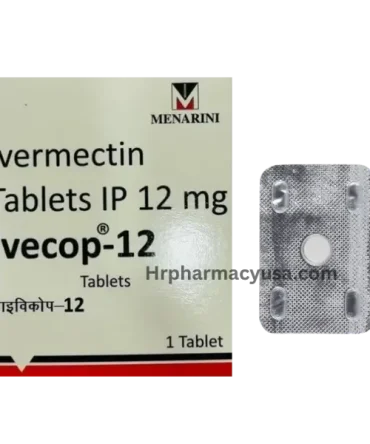
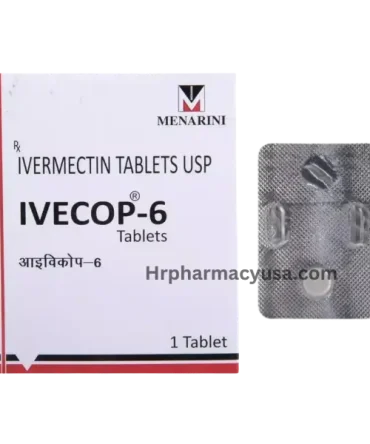
- Ivecop 6 mg (Ivermectin)
- Stromectol (ivermectin)
- Generic ivermectin tablets
- Ivermectol 12 Mg (Ivermectin)
- Aldol 400 Mg (Albendazole)
- Iverotaj 6 mg
- Iverheal 3 mg
- Iverheal 6 mg (Ivermectine) Tablets
- Iverheal 12 mg (Ivermectin 12mg)
- Ivermectol 6 Mg
- Vermact 12 Mg (Ivermectin)
- Ivrea
A single Ivermectin 12 mg tablet should not be described as an FDA-approved strength unless the specific manufacturer and NDC confirm that status.
For strongyloidiasis, the CDC lists ivermectin as first-line treatment and albendazole as an alternative treatment. These medicines are different drugs and should not be treated as equal milligram-for-milligram substitutes.
For onchocerciasis, moxidectin tablets are another FDA-approved prescription treatment option. Moxidectin is supplied as a 2 mg tablet, with the prescribed total dose determined according to its own labeling.
Possible alternatives that may already be available in the prescription market include:
- Ivermectin 3 mg tablets, same active ingredient
- Ivermectin 6 mg tablets, same active ingredient
- Albendazole tablets, an alternative for strongyloidiasis in appropriate patients
- Moxidectin 2 mg tablets, an approved treatment option for onchocerciasis
These products are not automatically interchangeable. The right antiparasitic treatment depends on the parasite involved, body weight, age, pregnancy status, possible co-infections, medical history, and other medicines being taken.
FAQs
1. Is human ivermectin the same as veterinary ivermectin?
No. Animal ivermectin products can have different strengths, ingredients, and dosage forms. The FDA warns that people should not use veterinary ivermectin because these products have not been evaluated for human use and may cause serious harm.
2. Is ivermectin approved to treat or prevent COVID-19?
No. The FDA has not approved or authorized ivermectin to prevent or treat COVID-19. FDA information states that available clinical trial data do not demonstrate that ivermectin is effective for COVID-19 in humans.
3. Can ivermectin tablets be given to children?
Use in children depends partly on body weight and the condition being treated. Current ivermectin labeling states that safety and effectiveness have not been established in pediatric patients weighing less than 15 kg, or about 33 pounds.
4. How should ivermectin tablets be stored?
Storage instructions can vary by manufacturer. One current U.S. DailyMed prescription label for ivermectin 3 mg and 6 mg tablets states that the medicine should be stored below 30°C (86°F). Always follow the storage directions supplied with the specific product.
5. Can ivermectin interact with warfarin?
An interaction is possible. Current prescribing information reports rare cases of increased INR when ivermectin was used with warfarin. Patients taking warfarin or another blood-thinning medicine should tell their prescriber and pharmacist before using ivermectin.
| size | 100 Tablets, 200 Tablets, 300 Tablets, 50 Tablets |
|---|
Please sign in to My Account to leave a review.
Reviews
There are no reviews yet.