
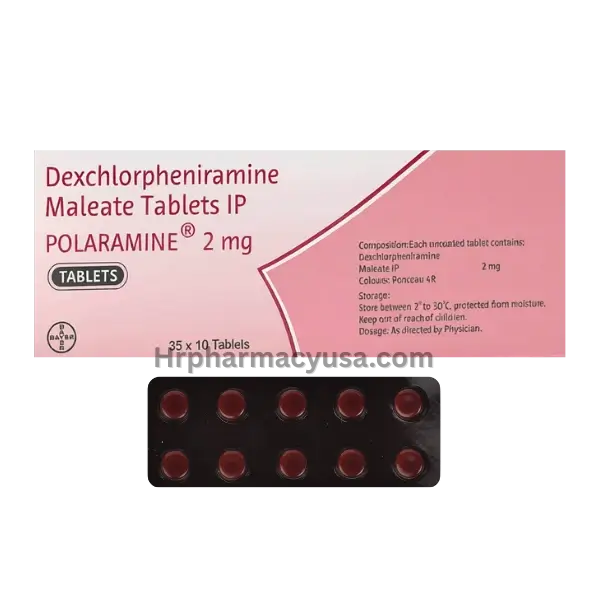
Dexchlorpheniramine 2mg (Generic)
Dexchlorpheniramine 2mg (Generic) is a first-generation antihistamine used for a runny nose, sneezing, itchy eyes, and hives caused by allergies or a cold. It can quickly calm symptoms, but may make you sleepy or cause dry mouth. Each tablet has 2 mg. Take only as directed by your prescriber and check for interactions.
| Active Ingredient: | Dexchlorpheniramine |
|---|---|
| Indication: | Allergy symptoms |
| Manufacturer: | Bayer Zydus Pharma |
| Packaging: | 10 Tablets in Strip |
| Strength: | 2mg |
| Delivery Time: | 6 To 15 days |
Dexchlorpheniramine 2mg (Generic)
| Variant | Price | Units | Quantity | Add to Cart |
|---|---|---|---|---|
| 30 Tablet/s | $24.00 | $0.8 / Tablet | ||
| 60 Tablet/s | $37.50 | $0.63 / Tablet | ||
| 90 Tablet/s | $52.50 | $0.58 / Tablet |
Overview about Dexchlorpheniramine 2mg (Generic)
Dexchlorpheniramine 2mg (Generic) is an older-style antihistamine that many people still rely on when allergy symptoms feel stubborn. If you are dealing with sneezing fits, a dripping nose, itchy or watery eyes, or itchy skin rashes like hives, this medicine is designed to block histamine, the chemical your body releases during an allergic reaction.
Because it is a first-generation antihistamine, it tends to work well for symptoms, but it can also cause more noticeable side effects than newer “non-drowsy” options.
What Symptoms It’s Commonly Used For
- Seasonal allergies (hay fever) symptoms, such as sneezing and a runny nose
- Indoor allergies from dust or pet dander
- Itchy, watery eyes related to allergies.
- Itching and hives (urticaria)
- Cold-related runny nose and sneezing (symptom relief, not a cure)
How does it feel compared with newer allergy meds?
Many newer antihistamines (such as cetirizine, loratadine, or fexofenadine) are popular because they tend to cause less sleepiness for many people. Dexchlorpheniramine is different.
It can be very effective for runny nose and sneezing, but sleepiness, dry mouth, and constipation are more common with this category of medication. Some people choose it specifically for nighttime symptoms, while others avoid it if they are sensitive to drowsiness.
Typical dosing basics (follow your prescriber’s directions)
Dosing depends on age, medical history, and other meds you take. Your prescriber’s instructions should always come first.
That said, common reference dosing for immediate-release dexchlorpheniramine is often listed as:
- Adults and children 12 years and older: 2 mg every 4 to 6 hours as needed (with a daily maximum often listed as 12 mg/day)
- Children 6 to under 12 years: 1 mg every 4 to 6 hours (maximum often listed as 6 mg/day)
- Children 2 to under 6 years: 0.5 mg every 4 to 6 hours (maximum often listed as 3 mg/day)
Side effects of Dexchlorpheniramine 2mg
- Drowsiness or feeling slowed down.
- Dry mouth or dry eyes
- Dizziness
- Constipation
- Blurred vision (sometimes)
Interactions and health conditions to mention to your prescriber
Dexchlorpheniramine can interact with medications that also cause sedation or affect the brain, and it may not be a good fit for everyone. Tell your prescriber about all medicines and supplements you use.
Also mention if you have issues such as glaucoma, enlarged prostate, or trouble urinating, certain breathing conditions, or other ongoing medical problems, since first-generation antihistamines can worsen some of these.
Available Strengths and Dosage Forms
- Polaramine 2 mg (Dexchlorpheniramine)
- Extended-release tablets (commonly 6 mg)
- Liquid formulations (concentrations can vary by product, so labels matter)
Alternatives
If dexchlorpheniramine is not a match due to side effects, schedule, or preference, common alternatives include:
Other first-generation antihistamines (often more sedating):
- Chlorpheniramine (example brand: Chlor-Trimeton)
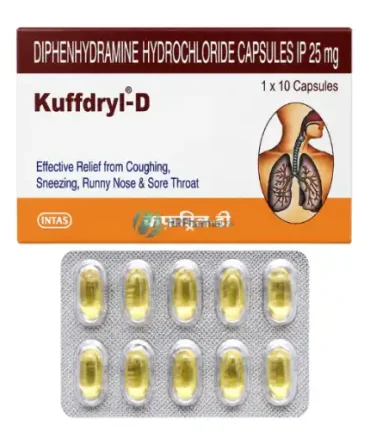
- Diphenhydramine (example brand: Benadryl)
- Cetirizine (Zyrtec)
- Alerid 10mg (Cetirizine)
- Loratadine (Claritin)
- Deslor 5 mg (Desloratadine)
- Alaspan 10mg (Loratadine)
- Loratadine 10 Mg (Generic)
- Alaspan AM (Ambroxol/Loratadine)
- Alaspan (Ambroxol/Loratadine)
- Desloratadine 5mg (Generic)
- Fexofenadine 120 Mg (Generic)
- Levocetirizine (Xyzal)
- Montecip LC (Montelukast and Levocetirizine)
- Levocetirizine 5 Mg (Generic)
FAQs About Dexchlorpheniramine 2mg (Generic)
Can I drink alcohol while taking dexchlorpheniramine?
Alcohol can increase side effects like sleepiness and dizziness. It’s best to ask your prescriber what’s safe for you.
Is dexchlorpheniramine safe during pregnancy or breastfeeding?
This is a case-by-case decision. Bring it up with your OB-GYN or prescriber so they can weigh the benefits and risks for your situation.
Can I drive or operate machinery after taking it?
Some people get noticeably sleepy or have slowed reaction time. Wait to see how you personally react before doing anything that requires full alertness.
What should I do if I miss a dose?
If you take it on a schedule, ask your prescriber what to do. In general, do not double up without medical advice.
How should I store this medication?
Store it as the label directs, and keep it away from heat, moisture, and out of reach of children. If anything looks unusual (odor, crumbling tablets), ask a pharmacist.
| size | 30 Tablet/s, 60 Tablet/s, 90 Tablet/s |
|---|
Please sign in to My Account to leave a review.


Reviews
There are no reviews yet.