
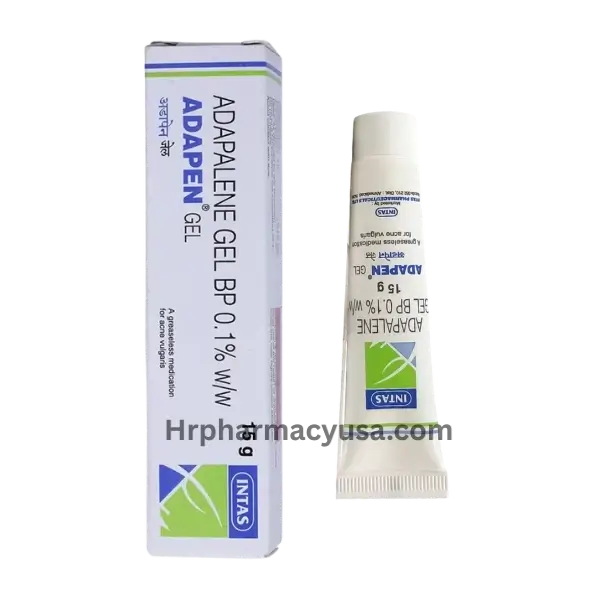
Adapen Gel (Adapalene)
Adapen Gel is a topical retinoid containing Adapalene, used for treating mild to moderate acne. It works by speeding up skin cell turnover and keeping pores from getting clogged. Regular use helps reduce blackheads, whiteheads, and inflammatory pimples over time. Adapen Gel is typically applied once daily at bedtime on clean, dry skin for the best results.
| Active Ingredient: | Adapalene |
|---|---|
| Indication: | Acne |
| Manufacturer: | Intas Pharmaceuticals Ltd |
| Packaging: | 15 gm in 1 tube |
| Strength: | 0.1% |
| Delivery Time: | 6 To 15 days |
Adapen Gel (Adapalene)
| Variant | Price | Units | Quantity | Add to Cart |
|---|---|---|---|---|
| 1 Gel | $8.00 | $8 / Gel | ||
| 3 Gel/s | $22.00 | $7.33 / Gel | ||
| 6 Gel/s | $40.00 | $6.67 / Gel |
About Adapen Gel (Adapalene)
Adapen Gel (Adapalene) belongs to a class of medications called topical retinoids, and it has become one of the go-to options for people dealing with acne that just will not quit.
Unlike some acne products that only work on the surface, Adapalene gets into the deeper layers of your skin and targets the root of the problem.
It changes how skin cells behave, encouraging them to turn over faster so dead cells do not pile up and block your pores.
What Is Adapen Gel Used For
Adapen Gel is primarily used for mild to moderate acne vulgaris. That includes the everyday blackheads, whiteheads, and those red, inflamed bumps that tend to show up at the worst possible time.
What makes Adapalene different from a lot of other acne ingredients is that it does not just treat existing breakouts. It actually helps prevent new ones from forming by keeping your pores clear on an ongoing basis.
Some dermatologists also recommend Adapalene for its anti-aging properties since retinoids in general are known to improve skin texture, reduce fine lines, and even out skin tone.
That said, Adapen Gel is specifically formulated and marketed for acne treatment, so those other benefits are more of a bonus than the main purpose.
How to Use Adapen Gel
Wash your face with a gentle cleanser and let it dry completely. This step matters more than people think. Applying Adapalene to damp or wet skin can increase irritation significantly.
Once your face is fully dry, take a pea-sized amount of the gel and spread it in a thin layer across the entire affected area. Not just on individual pimples, but across the whole zone where you tend to break out.
Use it once a day, preferably at night before bed. Adapalene makes your skin more sensitive to sunlight, so nighttime application helps you avoid unnecessary sun exposure right after putting it on.
Here is the part nobody loves hearing. Adapalene takes time. Most people do not see real improvement for at least four to six weeks, and sometimes it takes up to twelve weeks for the full effect to kick in.
During the first few weeks, your skin might actually look worse before it gets better. That initial purging phase throws a lot of people off, and many quit too early, thinking the product is making things worse.
It is actually pushing out what was already forming underneath the surface.
Side Effects to Watch For
Your skin will very likely react during the first couple of weeks. Dryness, peeling, redness, and a stinging or burning feeling when you apply it are all pretty standard with Adapalene. These are not signs that something is going wrong. They are your skin adjusting to the retinoid.
If the irritation is really intense, you can try applying it every other night instead of every night until your skin builds some tolerance. Using a good fragrance-free moisturizer after the gel has absorbed can also take the edge off. Most people find that the dryness and flaking settle down after the first month or so.
Allergic reactions are rare with Adapalene, but if you notice severe swelling, hives, or difficulty breathing after application, stop using it right away and get medical attention.
Things You Should Know Before Using It
Avoid using other harsh skincare products alongside Adapen Gel, especially in the beginning. Products with benzoyl peroxide, salicylic acid, alcohol based toners, or physical scrubs can compound the irritation and leave your skin raw. If your dermatologist wants you on a combination regimen, they will usually stagger the products so your skin is not overwhelmed.
Sunscreen is not optional while you are on this gel. Adapalene thins the outer layer of your skin slightly as part of how it works, which leaves you more vulnerable to UV damage. A broad-spectrum SPF 30 or higher every morning is a must, even on cloudy days.
If you are pregnant, planning to become pregnant, or breastfeeding, talk to your doctor before starting Adapen Gel. Retinoids as a category carry warnings about use during pregnancy, and while topical Adapalene has a lower absorption rate than oral retinoids, it is still something worth discussing with your provider.
Available Strengths
- Adapalene Gel 0.1% (this is the standard over-the-counter strength)
- Adapalene Gel 0.3% (stronger version, typically requires a prescription)
- Adapalene Cream 0.1% (cream base instead of gel, can be less drying for people with sensitive or dry skin)
- Adapalene and Benzoyl Peroxide Gel 0.1%/2.5% (combination product for more stubborn acne)
Substitutes
- Adaferin Gel (Adapalene)
- Differin Gel is probably the most well-known Adapalene product and was the first to go over the counter at the 0.1% strength.
- ProActivMD Adapalene Gel 0.1% is another branded option.
- Generic Adapalene Gel 0.1% from various pharmacy store brands like CVS, Walgreens, and Target’s Up and Up line
- Tretinoin Cream or Gel (a different, often stronger retinoid available by prescription)
- Tazarotene Gel (another prescription retinoid, generally considered more potent than Adapalene)
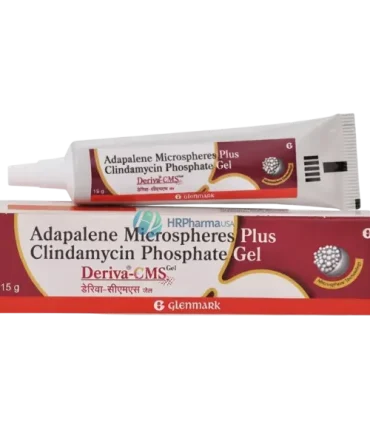
- Epiduo Gel (prescription combination of Adapalene 0.1% and Benzoyl Peroxide 2.5%)
Storage
FAQs
| size | 1 Gel, 3 Gel/s, 6 Gel/s |
|---|
Please sign in to My Account to leave a review.
Reviews
There are no reviews yet.