
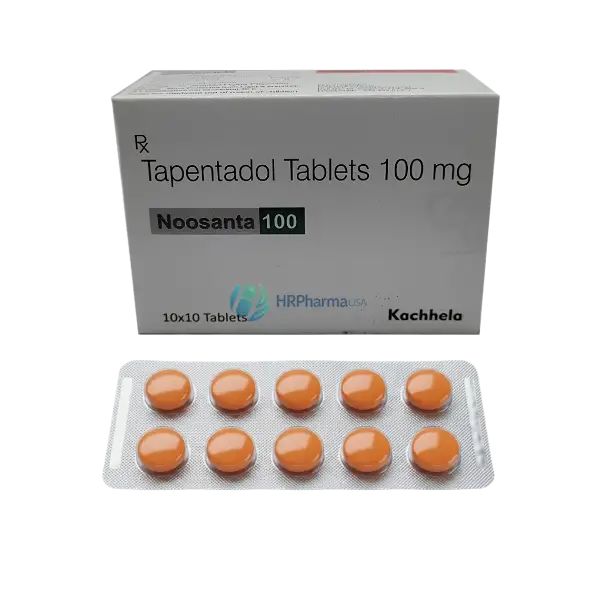
Noosanta 100 mg (Tapentadol)
Noosanta 100 mg (Tapentadol) is an oral opioid for severe pain. It requires an individual prescription and careful monitoring because it can cause dependence, overdose, and potentially fatal breathing problems.
| Active Ingredient: | Tapentadol |
|---|---|
| Indication: | Pain Reliever |
| Manufacturer: | Kachhela Medex Pvt. Ltd. |
| Packaging: | 10 Tablets in a strip |
| Delivery Time: | 6 To 15 days |
| Strength: | 100mg |
Noosanta 100 mg (Tapentadol)
| Variant | Price | Units | Quantity | Add to Cart |
|---|---|---|---|---|
| 100 Tablets | $160.00 | $1.78/Piece | ||
| 200 Tablets | $199.00 | $1.66/Piece | ||
| 300 Tablets | $260.00 | $1.73/Piece |
Product Description About Noosanta 100 mg (Tapentadol)
Noosanta 100 mg (Tapentadol) contains tapentadol, a prescription opioid pain medicine. A clinician may consider tapentadol when pain is severe enough to require an opioid and other treatments do not provide adequate relief or cannot be used.
Treatment needs regular review because pain relief can come with serious risks, including addiction and dangerously slow breathing.
What Is Noosanta 100 mg Used For?
Tapentadol treatment depends on the type of pain and the tablet formulation. Immediate-release tapentadol is used for severe acute pain, such as pain following certain operations or injuries, when other options are inadequate. Extended-release tapentadol has different instructions and is used for severe, persistent pain in selected patients.
Your pharmacist should confirm the release type of the dispensed Noosanta tablet before you take it. The brand name and strength alone are not enough to choose a schedule.
Different pain relief medicines serve different purposes. An opioid is not the usual first choice for minor aches, and it does not repair an injury or treat the underlying cause of pain.
How Does Tapentadol Work?
Tapentadol acts in the brain and spinal cord to change how the body processes pain. It activates opioid receptors and also reduces the reuptake of norepinephrine, a chemical involved in the body’s pain-control pathways. These actions are thought to contribute to its pain-relieving effect.
Because it acts on the nervous system, tapentadol can also affect alertness and breathing. Its dual action does not remove the risks associated with opioids. The MedlinePlus tapentadol guide explains these precautions and the differences between formulations.
Noosanta 100 mg Dosage and How to Take It
The dose should be based on your prescription, previous opioid use, other medicines, and kidney and liver health. A 100 mg tablet should not be treated as an automatic starting dose, particularly if you have never taken an opioid.
Follow these points during treatment:
- Take only the amount prescribed, at the times shown on your dispensing label.
- Swallow the tablet with water. You can generally take tapentadol with or without food.
- Never crush, chew, split, or dissolve an extended-release tablet. This can release too much medicine at once.
- Do not take extra tablets because relief feels slower than expected.
- Contact the prescriber if pain remains poorly controlled or the medicine makes you unusually sleepy.
- Never share your tablets, even with someone who describes similar pain.
What Results Should You Expect?
The aim is enough pain relief to support recovery and daily function. Useful changes might include getting out of bed, walking a short distance, or completing prescribed rehabilitation exercises more comfortably.
Complete pain relief is not always possible. Follow-up visits should consider both the improvement and any side effects. Keep a brief record of what you can do, how long relief lasts, and whether you feel dizzy or sleepy. This gives your clinician more useful information than a pain score alone.
Common Noosanta 100 mg Side Effects
- Nausea or vomiting
- Dizziness
- Sleepiness
- Constipation
- Headache
- Dry mouth
Some symptoms may ease, but persistent side effects need attention. Constipation can continue throughout opioid treatment. Ask about a bowel-care plan rather than waiting until it becomes severe.
Stand up slowly if you feel lightheaded. Report repeated vomiting, fainting, or symptoms that interfere with eating and drinking. The Mayo Clinic tapentadol information provides further details about side effects and precautions.
Serious Symptoms That Need Immediate Help
Call 911 if someone taking tapentadol has slow or shallow breathing, cannot be woken, collapses, or develops blue or gray lips. These can be signs of an opioid overdose.
Give naloxone if available and follow its instructions. Emergency care is still needed because its effects can wear off before the opioid does. The CDC’s naloxone guidance explains how this rescue medicine can help.
Seizures, swelling of the face or throat, or a combination of fever, confusion, agitation, and muscle stiffness also require urgent medical attention. Do not dismiss marked sleepiness or breathing changes as ordinary side effects.
Medicines and Alcohol to Avoid
Do not drink alcohol while taking Noosanta. Combining tapentadol with substances that slow the nervous system can cause profound sedation, breathing failure, coma, or death.
A medication review should include:
- Benzodiazepines, sleeping pills, and other opioids
- Muscle relaxants and sedating allergy medicines
- Gabapentin or pregabalin
- Antidepressants and herbal products such as St. John’s wort
Do not take tapentadol with an MAO inhibitor or within 14 days of stopping one. Some medicines used for infections or medical procedures, including linezolid and methylene blue, can also have this interaction.
Certain antidepressants increase the risk of serotonin syndrome. Tell your pharmacist about prescription medicines, over-the-counter products, and supplements before starting treatment.
Who Needs Extra Caution?
Tapentadol should not be used in people with significant breathing suppression, severe asthma without appropriate monitoring, a known or suspected bowel blockage, or an allergy to its ingredients.
Your clinician also needs to know about sleep apnea, seizures, head injuries, low blood pressure, and liver or kidney disease. Severe liver or kidney impairment may make tapentadol unsuitable.
Discuss pregnancy, plans to become pregnant, and breastfeeding before treatment. Regular opioid use during pregnancy can cause withdrawal in a newborn. Older adults and people with lung disease may need closer monitoring.
Dependence, Addiction, and Stopping Treatment
Physical dependence means the body has adapted to the medicine and withdrawal may occur when it is stopped. Addiction involves difficulty controlling use despite harm. Both need appropriate medical care, and addiction can occur even when an opioid was originally prescribed.
If you have taken tapentadol regularly, do not stop suddenly. Your clinician may need to reduce the dose gradually. The CDC’s prescription opioid information explains dependence, tolerance, and overdose risks.
Available Strengths and Tapentadol Substitutes
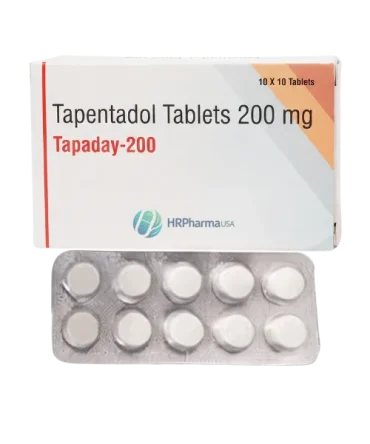
Noosanta is also listed in 200 mg and 250 mg tablet strengths in its brand catalogue. Current pack availability and release type must be confirmed. A higher strength is not a reason to increase your dose.
Other marketed tapentadol options include:
| Product or formulation | Listed tablet strengths | Important distinction |
|---|---|---|
| Generic immediate-release tapentadol | 50 mg, 75 mg, 100 mg | Intended for severe acute pain when other options are inadequate |
| Nucynta immediate-release tablets | 50 mg, 75 mg, 100 mg | Contains tapentadol; substitution requires the correct formulation and prescription |
| Nucynta ER | 50 mg, 100 mg, 150 mg, 200 mg, 250 mg | Extended-release treatment with different dosing instructions |
The Nucynta ER prescribing information describes its strengths and specific uses. An extended-release tablet is not an automatic substitute for a tablet with the same milligram amount.
Other Medicines Used for Different Types of Pain
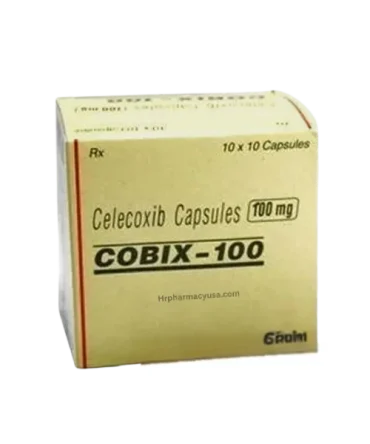
- Cobix 100 mg (celecoxib) is an anti-inflammatory medicine used for conditions such as arthritis.
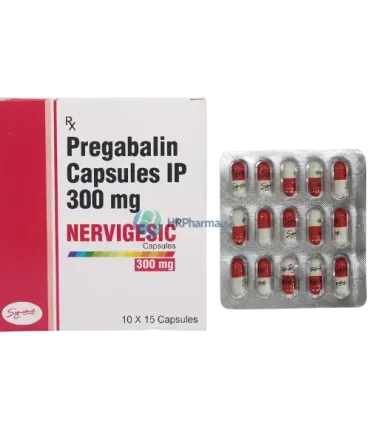
- Nervigesic 300 mg (pregabalin) is used for certain types of nerve pain.
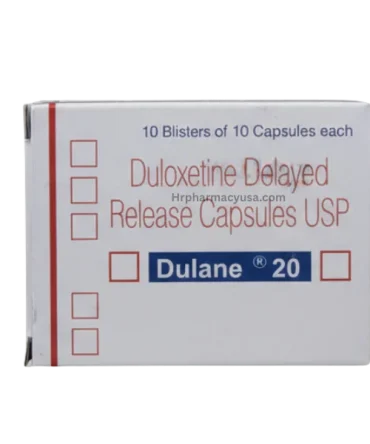
- Dulane 20 mg (duloxetine) contains a medicine used for selected nerve and long-term pain conditions.
FAQs
What should I do if I miss a Noosanta dose?
Can I drive after taking Noosanta 100 mg?
Is tapentadol the same medicine as tramadol?
How should Noosanta tablets be stored?
Should I tell my dentist that I take Noosanta?
| size | 100 Tablets, 200 Tablets, 300 Tablets |
|---|
Please sign in to My Account to leave a review.
Reviews
There are no reviews yet.