
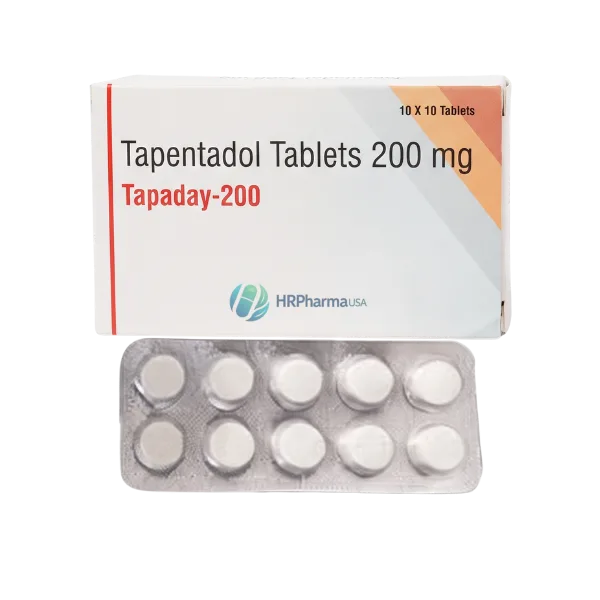
Tapaday 200 mg (Tapentadol)
Tapaday 200 mg (Tapentadol) is an opioid pain reliever used for severe pain. Treatment requires a prescription, careful dose selection, and monitoring for sleepiness, dependence, and potentially serious breathing problems.
| Active Ingredient | Tapentadol |
|---|---|
| Manufacturer | HAB Pharmaceuticals & Research Ltd. |
| Indications | Pain Reliever |
| Packaging | 10 tablets in 1 strip |
| Strength | 200mg |
| Delivery Time | 6 To 15 days |
Tapaday 200 mg (Tapentadol)
| Variant | Price | Units | Quantity | Add to Cart |
|---|---|---|---|---|
| 100 Tablets | $969.00 | $4.85 / Tablet | ||
| 200 tablet/s | $510.00 | $5.1 / Tablet | ||
| 300 Tablet/s | $1,377.00 | $4.59 / Tablet |
Tapaday 200 mg (Tapentadol): Uses, Dosage, and Side Effects
Tapaday 200 mg (Tapentadol) is marketed as a tablet containing 200 mg of tapentadol, a prescription medicine for severe pain. Consider it when other treatments haven’t provided enough relief or cannot be tolerated.
Pain that keeps you awake or makes walking difficult needs a treatment plan suited to its cause. The aim is to make daily activities more manageable without leaving you heavily sedated. A stronger tablet does not automatically offer a better balance between relief and side effects.
What Is Tapaday 200 mg?
Tapentadol is a prescription opioid pain medicine. It changes how the brain and nervous system respond to pain, but it does not repair an injury or treat every cause of discomfort.
One detail must be settled before using Tapentadol 200 mg: whether the tablet is immediate release or extended release. These forms have different uses and schedules. The product name and strength do not indicate its release type, so a pharmacist must check the original pack or leaflet. The information below distinguishes between the two forms rather than assigning an unverified schedule to this product.
What Can Tapentadol Treat?
Immediate-release tapentadol is used for severe acute pain, such as pain following an injury or surgery, when other options are inadequate. Extended-release tapentadol is used for severe, persistent pain that requires ongoing opioid treatment. It is not meant to be taken occasionally for pain flares.
The extended-release form may also be considered for severe, persistent pain associated with diabetic peripheral neuropathy when alternatives are inadequate. This nerve damage can cause burning, tingling, and painful sensations in the feet or legs.
Pain relief does not reverse diabetic nerve damage. Blood sugar management, foot checks, and treatment of the underlying condition still matter. Pain medicines work in different ways, so treatment should match the diagnosis.
How Does Tapentadol Relieve Pain?
Tapentadol acts on opioid receptors involved in pain signaling. It also affects norepinephrine, a chemical involved in the body’s regulation of pain messages. These properties contribute to its pain-relieving effect, although its exact action is not fully understood.
Judge the benefit by changes that matter to you: whether movement is easier, pain interferes less with rest, or basic tasks become more manageable. Sleepiness alone is not evidence of useful pain relief. Excessive sedation needs medical review.
Taking Tapaday 200 mg Safely
The prescribed amount depends on previous opioid treatment, the condition being treated, other medicines, and kidney or liver health. A 200 mg tablet is not a usual starting strength for someone who has not taken opioids. An unsuitable starting dose can dangerously slow breathing.
Take the tablet at the times written on your prescription, with water, and follow the pack’s directions about food. If it is extended-release, swallow it whole. Cutting, chewing, crushing, or dissolving it can release too much medicine at once and cause a fatal overdose.
Do not take an extra tablet because pain returns early. Instead, tell the prescriber when relief wears off, how severe the pain becomes, and whether side effects are getting in the way. Those details help them assess whether the dose or treatment needs to change.
Common Side Effects
- Nausea or vomiting
- Constipation
- Dizziness
- Sleepiness
- Headache
- Tiredness
Some effects may ease during treatment. Constipation can continue, so mention it early rather than waiting until it becomes severe. Your clinician may recommend a bowel care plan. Mayo Clinic’s tapentadol side-effect information also explains reactions that need prompt attention.
Avoid driving or using machinery until you know how the medicine affects you. Do not do these activities while sleepy, dizzy, or less alert than usual.
Medicines and Alcohol That Can Cause Problems
Alcohol increases the risk of dangerous sedation and breathing problems with tapentadol. Avoid it during treatment, including medicines containing alcohol.
Sleeping pills, benzodiazepines, other opioids, sedating antihistamines, muscle relaxants, and some seizure medicines can add to these risks. Give the prescriber your full medication list, including nonprescription products and supplements. Separating doses by a few hours does not reliably prevent an interaction.
Tapentadol must not be taken with an MAO inhibitor or within 14 days of stopping one. Examples include phenelzine and tranylcypromine. Linezolid and methylene blue also need specific review.
Certain antidepressants and other medicines that affect serotonin can cause serotonin syndrome when combined with tapentadol. Fever, agitation, heavy sweating, confusion, or muscle stiffness require urgent medical assessment.
Health Conditions to Discuss Before Treatment
Do not take tapentadol if you have severely slowed breathing, a bowel blockage, or an allergy to its ingredients. It is also unsafe in acute or severe asthma without appropriate medical monitoring. Severe kidney or liver disease may rule out treatment.
Tell the clinician about sleep apnea, lung disease, seizures, head injuries, low blood pressure, mental health concerns, or a history of substance use disorder. Older adults may need closer monitoring.
Pregnancy and breastfeeding need particular attention. Prolonged opioid use during pregnancy can cause withdrawal in a newborn. Breastfeeding is generally not recommended during tapentadol treatment because the medicine may harm the baby.
Dependence and Changes in Pain
The body can become physically dependent on an opioid during prescribed treatment. Stopping suddenly may then cause withdrawal. Addiction is a separate risk and can occur even when treatment began with a prescription.
After regular use, reducing or stopping tapentadol may require a gradual plan. Report pain that worsens or becomes unusually sensitive to touch. Opioids can sometimes increase pain sensitivity, and taking more medicine may worsen that problem.
Other Strengths and Tapentadol Substitutes
Tapentadol products are available in several strengths. The table shows established formulations; it does not confirm which release types are available under the Tapaday name.
| Product or formulation | Available tablet strengths | Main difference |
|---|---|---|
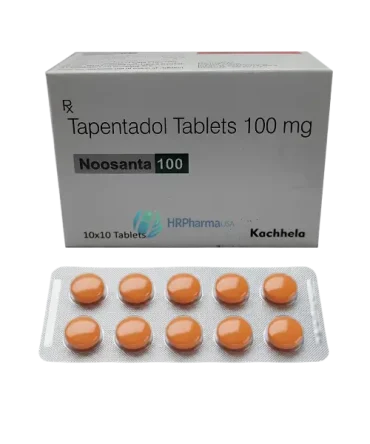
| Nucynta immediate release | 50 mg, 75 mg, 100 mg | Used for severe acute pain. |
| Nucynta ER | 50 mg, 100 mg, 150 mg, 200 mg, 250 mg | Extended release for severe, persistent pain. |
| Generic tapentadol extended release | 50 mg, 100 mg, 150 mg, 200 mg, 250 mg | The specific product must match the prescribed formulation. |
The Nucynta ER prescribing information provides directions specific to that extended-release product.
Tapaday Gold 250 mg is also listed as a separate product. Its release type needs checking independently. Neither a shared ingredient nor a higher strength makes another tablet an automatic substitute. A pharmacist and prescriber should assess any switch.
Alternatives for Different Types of Pain
Some conditions respond better to a different medicine or a combination of treatments that does not include an opioid.
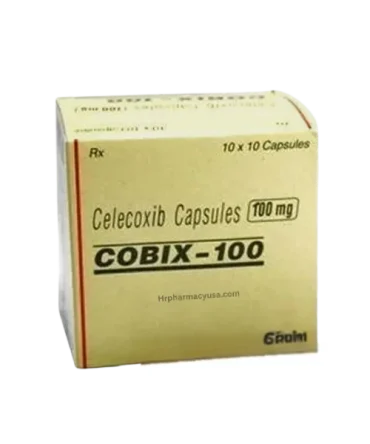
For inflammation-related pain, celecoxib capsules may be considered for suitable patients. Stomach, kidney, and cardiovascular risks affect that choice.
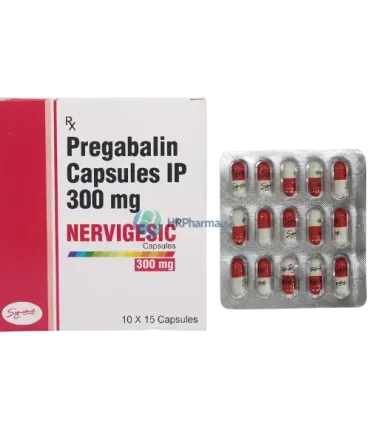
For certain nerve pain conditions, options include pregabalin capsules or duloxetine capsules. These medicines have their own dosing requirements and side effects. Pregabalin can increase sedation and breathing risks with an opioid; duloxetine can increase serotonin syndrome risk with tapentadol.
These are treatment options to discuss, not suggested starting doses or instructions to combine medicines. Physical therapy and other approaches may also be appropriate, depending on the diagnosis.
FAQs
What happens if I miss a dose?
Where should I keep Tapaday 200 mg?
Is tapentadol the same medicine as tramadol?
Can I return to my old dose after time off treatment?
Do I need to mention tapentadol before dental work or surgery?
| size | 100 Tablets, 200 tablet/s, 300 Tablet/s |
|---|
Please sign in to My Account to leave a review.
Reviews
There are no reviews yet.