
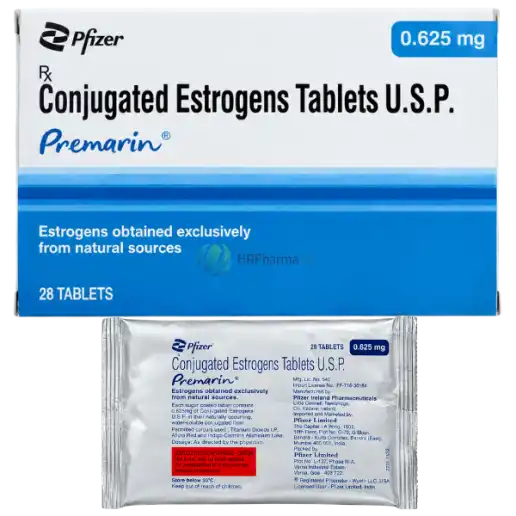
Conjugated Estrogen 0.625 mg (Generic)
Conjugated Estrogen 0.625 mg (Generic) is an oral estrogen therapy used to treat moderate to severe menopause symptoms and, in certain patients, help prevent postmenopausal osteoporosis as prescribed.
| Active Ingredient (Generic Name): | Conjugated Estrogen |
|---|---|
| Indication: | Post menopausal osteoporosis, Hormone replacement therapy, Contraception |
| Manufacturer: | Wyeth Pfizer Ltd. |
| Packaging: | 28 tablets in 1 strip |
| Strength: | 0.625mg |
| Delivery Time: | 6 To 15 days |
Conjugated Estrogen 0.625 mg (Generic)
| Variant | Price | Units | Quantity | Add to Cart |
|---|---|---|---|---|
| 28 Tablet/s | $40.00 | $1.43 / Tablet | ||
| 56 Tablet/s | $77.00 | $1.38 / Tablet | ||
| 84 Tablet/s | $110.00 | $1.31 / Tablet |
About Conjugated Estrogen 0.625 mg (Generic)
Conjugated Estrogen 0.625 mg (Generic) is a prescription estrogen tablet used as part of menopausal hormone therapy. It is mainly used for moderate to severe menopause symptoms such as hot flashes and night sweats. In some cases, it may also be prescribed to help prevent bone loss after menopause when other options are not a good fit.
Conjugated estrogens are also known by the brand name Premarin. The “generic” label typically means the same active ingredient and strength, made by a different manufacturer. Exact tablet shape, color, or inactive ingredients can vary.
What Conjugated Estrogen Treats
- Moderate to severe vasomotor symptoms of menopause, including hot flashes and night sweats
- Menopause-related hormone deficiency symptoms, when estrogen is appropriate for treatment
- Prevention of postmenopausal osteoporosis in select patients at higher risk, usually when non-estrogen therapies are not suitable
How It Works
Important Safety Notes
Estrogen therapy has important risks and is not for everyone. Your prescriber typically aims for the lowest effective dose for the shortest needed time, with regular check-ins.
Key points often discussed before starting:
- If you still have a uterus, estrogen alone can raise the risk of endometrial (uterine) cancer. A progestin is often prescribed along with estrogen to lower that risk.
- Estrogen therapy can raise the risk of blood clots, and it may increase the risk of stroke or heart problems in certain people, especially with higher risk factors.
- Combined estrogen plus progestin therapy has been linked with an increased risk of breast cancer with longer use in some studies.
- Estrogen is not used to prevent heart disease or dementia.
Who Should Not Use It (Common Contraindications)
- Unexplained vaginal bleeding
- Estrogen-dependent cancer (such as certain breast or uterine cancers)
- Blood clots (DVT/PE) or clotting disorders
- Stroke or heart attack
- Severe liver disease
- Pregnancy
Conjugated Estrogen Available Strengths (Tablets)
- 0.3 mg
- 0.45 mg
- 0.625 mg
- 0.9 mg
- 1.25 mg
How It Is Commonly Taken
Take conjugated estrogen 0.625 mg by mouth, usually once daily, following the exact directions on your prescription label. Some people are prescribed continuous daily dosing, while others may be told to use a cyclic schedule. The best approach depends on whether you use a progestin, whether you have a uterus, and how your body responds.
Because dosing can be individualized, clinicians may adjust the strength over time.
Side Effects: What You Might Notice
- Nausea or stomach upset
- Breast tenderness
- Headache
- Bloating
- Swelling in hands or ankles
- Spotting or breakthrough bleeding (especially early in therapy)
Serious Symptoms That Need Urgent Medical Care
- Sudden chest pain, shortness of breath, coughing up blood
- Painful swelling or redness in one leg
- Sudden severe headache, trouble speaking, weakness on one side, vision changes
- Yellowing of the skin or eyes (possible liver issue)
- A new breast lump
Monitoring and Follow-Up
Most clinicians monitor hormone therapy with regular follow-ups. You may be asked about symptom relief, bleeding patterns, blood pressure, and side effects. Routine preventive care still matters, including breast cancer screening based on your age and risk, and evaluation of any abnormal bleeding.
If your clinician uses conjugated estrogen for bone protection, they may also track osteoporosis risk with bone density testing when appropriate and discuss calcium, vitamin D, weight-bearing exercise, and other medications that directly treat osteoporosis.
Substitute Options
Other Estrogen Therapies (Systemic)
- Estradiol tablets (common strengths include 0.5 mg, 1 mg, 2 mg)
- Estradiol patches (transdermal estrogen, often used when avoiding first-pass liver effects is preferred)
- Estradiol gels or sprays
Vaginal Estrogen for Local Symptoms
- Vaginal estradiol cream, tablet, or ring
- Vaginal conjugated estrogen cream
Non-Estrogen Options for Hot Flashes
- Fezolinetant (non-hormonal option for vasomotor symptoms)
- Certain SSRIs/SNRIs
- Gabapentin (often used when night symptoms disrupt sleep)
- Clonidine (less commonly used due to side effects in some people)
If You Have a Uterus (Estrogen Plus Progestin)
- Medroxyprogesterone acetate
- Micronized progesterone
- Combination products (varies by formulation)
FAQs
1. How long does it take for conjugated estrogen to start working?
2. What should I do if I miss a dose?
3. Can I cut or split a conjugated estrogen tablet?
4. How should I store this medication?
5. Are there common medication interactions with conjugated estrogen?
| size | 28 Tablet/s, 56 Tablet/s, 84 Tablet/s |
|---|
Please sign in to My Account to leave a review.

Reviews
There are no reviews yet.