
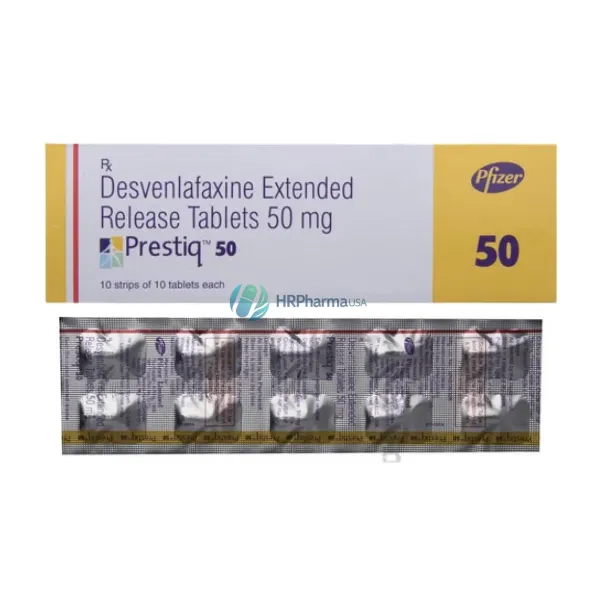
Desvenlafaxine 50 Mg (Generic)
Desvenlafaxine 50 Mg (Generic) is an SNRI antidepressant used for major depressive disorder. It is taken once daily as an extended-release tablet to help improve mood, interest, energy, and sleep. Many people notice gradual changes over a few weeks. Take it exactly as prescribed and do not stop suddenly without your clinician’s plan. Please provide your complete list of medications and supplements to them prior to starting.
| Active Ingredient (Generic Name) | Desvenlafaxine |
|---|---|
| Indication | Depression |
| Manufacturer | Pfizer India Ltd. |
| Packaging | 10 tablets in 1 strip |
| Strength | 50mg |
| Delivery Time | 6 To 15 days |
Desvenlafaxine 50 Mg (Generic)
| Variant | Price | Units | Quantity | Add to Cart |
|---|---|---|---|---|
| 50 Tablet/s | $45.00 | $0.9 / Piece | ||
| 100 tablet/s | $81.00 | $0.81 / Piece | ||
| 200 tablet/s | $145.00 | $0.73 / Piece |
Introduction About Desvenlafaxine 50 Mg (Generic)
Desvenlafaxine 50 Mg (Generic) is a prescription antidepressant most commonly used to treat major depressive disorder (MDD). If depression has been showing up as low mood, loss of interest, trouble focusing, sleep changes, or feeling mentally “slowed down,” this medication is one option your prescriber may consider.
This drug is the generic form of desvenlafaxine (often recognized from the brand-name version). Generic medications are generally expected to work the same way as their brand counterparts, though inactive ingredients can differ.
How it works
Desvenlafaxine is an SNRI (serotonin-norepinephrine reuptake inhibitor). It affects how the brain handles two chemicals, serotonin and norepinephrine, which play a role in mood, motivation, and stress response. It does not “flip a switch” overnight. For many people, progress is gradual.
How it is usually taken
Desvenlafaxine 50 mg is commonly prescribed as one tablet once daily. It is typically an extended-release (ER) tablet, designed to release medication slowly over the day.
General use tips many clinicians emphasize:
- Take it at about the same time each day.
- It can often be taken with or without food.
- Swallow tablets whole (do not crush, split, or chew unless your pharmacist specifically says your specific product can be altered, which is uncommon for ER tablets)
Stopping suddenly can trigger uncomfortable withdrawal-like symptoms in some people, so prescribers usually recommend a gradual taper when discontinuing.
What you may notice after starting
Some people feel small changes first, like improved sleep, slightly better energy, or less mental heaviness, before their mood improves. Others notice nausea or restlessness early on, then those effects ease.
If symptoms feel worse, or you develop new anxiety, agitation, or unusual mood changes, it is worth contacting your prescriber promptly.
Common side effects
Side effects vary person to person. Some of the more commonly reported ones include:
- Nausea
- Dry mouth
- Dizziness
- Constipation
- Sweating more than usual
- Trouble sleeping or feeling sleepy
- Sexual side effects (such as lowered libido or delayed orgasm)
Some people also see increases in blood pressure. Because of that, clinicians may recommend checking blood pressure periodically, especially if you already deal with hypertension.
Important safety notes and interactions
Desvenlafaxine is not the right fit for everyone. Make sure your prescriber knows about your medical history, especially if you have:
- A history of bipolar disorder/mania (antidepressants can sometimes trigger mania)
- High blood pressure or heart-related concerns
- Seizure history
- Glaucoma (certain eye conditions can be affected by medicines that influence pupil size)
- Kidney problems (dose adjustments may be needed)
Drug interactions matter with SNRIs. A few that often come up:
- MAO inhibitors (cannot be combined)
- Other medications that raise serotonin (risk of serotonin syndrome)
- Blood thinners or medications that can increase bleeding risk (your prescriber may want closer monitoring)
If you ever develop symptoms like severe agitation, fever, confusion, fast heartbeat, stiff muscles, or severe diarrhea, seek urgent medical care, as those can be warning signs of serotonin syndrome.
Available strengths (other dosages)
Desvenlafaxine is commonly available in these strengths (availability can vary by manufacturer and pharmacy supply):
- Desvenlafaxine 25 mg (often used for dose adjustments or tapering)
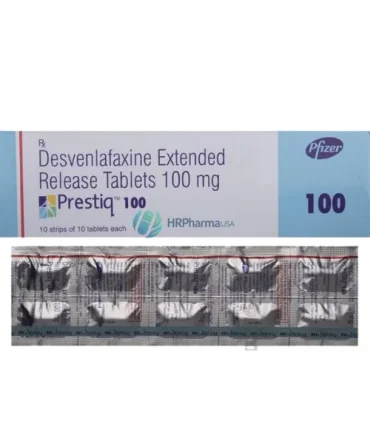
- Desvenlafaxine 100 mg (Generic)
Your prescriber chooses the strength based on your symptoms, response, side effects, and medical history.
Substitutes and alternatives already on the market
If desvenlafaxine is not a match, prescribers may consider other antidepressants based on your symptoms and side effect tolerance. Common alternatives include:
Same medication (brand option)
Related SNRI options
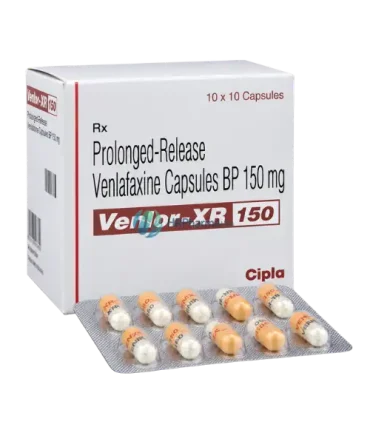
- Venlafaxine ER (Effexor XR generic)
- Duloxetine (Cymbalta generic)
- Levomilnacipran ER (Fetzima)
Other antidepressant classes (selected examples)
- SSRIs: sertraline, escitalopram, fluoxetine
- Atypicals: bupropion, mirtazapine
Only a clinician who knows your history should guide switching, cross-tapering, or choosing an alternative.
FAQs
1. What should I do if I miss a dose of desvenlafaxine 50 mg?
Many prescribers advise taking it when you remember, unless it is close to your next dose. If it is close, skip the missed dose and return to your regular schedule. Do not double up unless your prescriber specifically tells you to.
2. Can I drink alcohol while taking desvenlafaxine?
Alcohol can worsen depression symptoms and may increase side effects like dizziness or impaired judgment. Some people choose to avoid it entirely. If you drink, it is safest to discuss what is realistic for you with your prescriber.
3. Is desvenlafaxine safe during pregnancy or breastfeeding?
The answer is individualized. Antidepressants can have pregnancy and newborn considerations, and untreated depression also has risks. If you’re pregnant, planning to be, or breastfeeding, talk to your OB-GYN or prescriber about the benefits and risks instead of stopping on your own.
4. Will desvenlafaxine show up on a drug test?
Standard workplace drug panels usually do not test for antidepressants like desvenlafaxine. False positives are possible with some medications, but it is not common. If testing is a concern, ask the testing site what panel is used and keep your prescription documentation.
5. Can I switch between Pristiq and generic desvenlafaxine without problems?
Many people switch with no issues, since they contain the same active ingredient. Some notice differences in side effects when the manufacturer changes (often due to inactive ingredients). If you feel noticeably different after a switch, tell your prescriber or pharmacist so they can help troubleshoot.
| size | 100 tablet/s, 200 tablet/s, 50 Tablet/s |
|---|
Please sign in to My Account to leave a review.

Reviews
There are no reviews yet.