
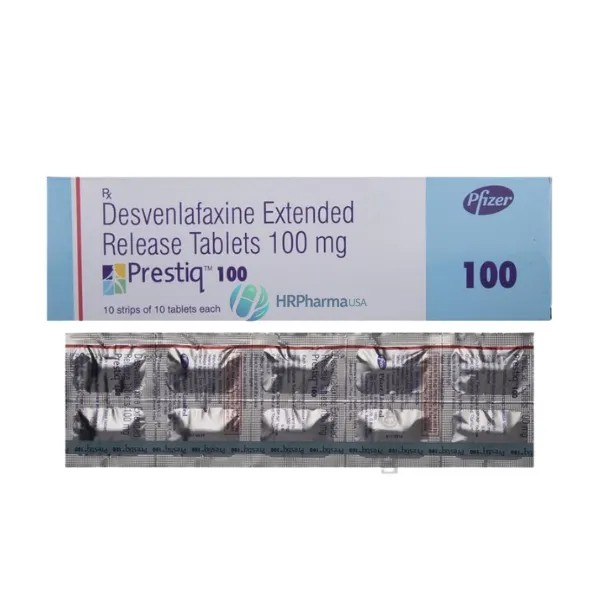
Desvenlafaxine 100 mg (Generic)
Desvenlafaxine 100 mg (Generic) is an SNRI antidepressant for major depressive disorder in adults. The extended-release tablet is usually taken once daily, at the same time each day, to support steadier mood and daily functioning. Take it exactly as prescribed and do not stop suddenly. Tell your prescriber about high blood pressure, kidney problems, or other medicines.
| Active Ingredient (Generic Name) | Desvenlafaxine |
|---|---|
| Indication | Depression |
| Manufacturer | Pfizer India Ltd. |
| Packaging | 10 tablets in 1 strip |
| Strength | 100mg |
| Delivery Time | 6 To 15 days |
Desvenlafaxine 100 mg (Generic)
| Variant | Price | Units | Quantity | Add to Cart |
|---|---|---|---|---|
| 50 Tablet/s | $73.00 | $1.46 / Tablet | ||
| 100 tablet/s | $131.00 | $1.31 / Tablet | ||
| 200 tablet/s | $235.00 | $1.18 / Tablet |
Introduction About Desvenlafaxine 100 mg (Generic)
Desvenlafaxine 100 mg (Generic) is a prescription antidepressant most commonly used to treat major depressive disorder (MDD) in adults. It is the generic version of a well-known brand option (Pristiq).
If you have been dealing with depression that affects sleep, energy, motivation, or your ability to get through normal daily routines, this medication is one of the standard, evidence-based options clinicians consider.
What Desvenlafaxine 100 mg is
Desvenlafaxine belongs to a class of medicines called SNRIs, short for serotonin-norepinephrine reuptake inhibitors. In plain terms, SNRIs work on two brain chemicals, serotonin and norepinephrine, that are linked to mood regulation.
Depression is not always caused by a single factor, and response to antidepressants can vary a lot from person to person.
Still, desvenlafaxine is widely used because it is taken once daily and has a well-established safety profile when monitored correctly.
How it may help in daily life
For many people, treatment is not just about “feeling happier.” It can be about getting back basic function, such as improved interest in activities, better ability to focus, less emotional heaviness, and more consistent sleep patterns.
Some people notice a lift in physical symptoms of depression too, like low energy or slowed-down thinking. Your prescriber will usually track progress over time and adjust the plan based on symptom improvement and side effects.
Dosing basics and why 100 mg is prescribed
Desvenlafaxine is commonly started at a lower dose, then adjusted if needed. A 100 mg dose is generally considered a higher maintenance dose that may be used when a clinician believes added benefit outweighs added side effects for a specific patient.
Important points to know:
- Take it exactly as prescribed, at about the same time each day.
- Do not change your dose on your own.
- Stopping suddenly can cause uncomfortable withdrawal-like symptoms. If it needs to be discontinued, prescribers usually taper.
Common side effects to be aware of
Side effects are not the same for everyone, and many improve after the first weeks. Commonly reported effects can include:
- Nausea or upset stomach
- Dizziness
- Dry mouth
- Sweating
- Constipation
- Trouble sleeping or feeling tired
Some people also see increases in blood pressure, so clinicians may check blood pressure periodically, especially if you already have hypertension.
Serious safety warnings
Like other antidepressants, desvenlafaxine has important warnings:
- Suicidal thoughts or behavior risk can increase in children, teens, and young adults, especially early in treatment or after dose changes. This medicine is generally used for adults, and monitoring is still important at any age.
- Serotonin syndrome is a rare but urgent reaction, more likely when combined with other serotonergic medicines. Symptoms can include agitation, fever, fast heart rate, sweating, tremor, or confusion.
- Bleeding risk may increase if combined with NSAIDs (like ibuprofen or naproxen), aspirin, or blood thinners.
- Certain eye conditions may be affected in susceptible individuals (your clinician will advise based on your history).
Seek urgent care if you have severe allergic symptoms, severe confusion, fainting, chest pain, or signs of serotonin syndrome.
Drug interactions that matter
Make sure your prescriber and pharmacist know everything you take, including supplements. Key interaction concerns include:
- MAO inhibitors (and within a required washout window)
- Linezolid or methylene blue
- Other medicines that raise serotonin (some migraine medicines, some pain medicines, other antidepressants)
- Alcohol can worsen side effects like dizziness or impaired judgment for some people
Available strengths (other dosages)
Desvenlafaxine extended-release tablets are commonly available in these strengths:
- 25 mg
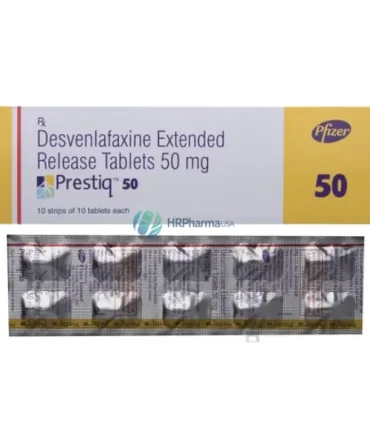
- Prestiq 50 mg
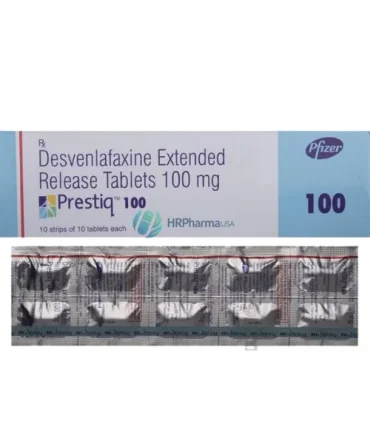
- Prestiq 100 mg
Your clinician may use different strengths to start therapy, adjust the dose, or taper safely.
Substitutes and alternatives already on the market
If desvenlafaxine is not a good fit, prescribers may consider alternatives based on symptoms, medical history, and tolerability. Common options include:
Same class (SNRIs):
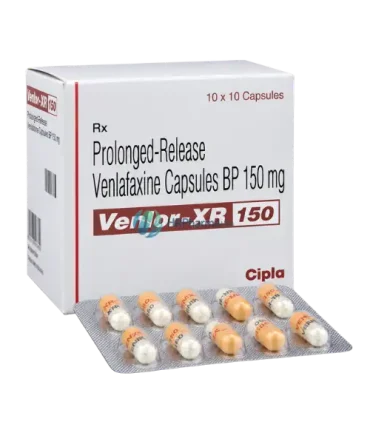
- Venlafaxine ER (generic Effexor XR)
- Duloxetine (generic Cymbalta)
- Levomilnacipran ER (Fetzima)
Other antidepressant classes (often used for MDD):
- SSRIs like sertraline, escitalopram, fluoxetine, or paroxetine
- Bupropion (Wellbutrin generic)
- Mirtazapine (Remeron generic)
These are not interchangeable in a simple way. Dose, side effects, and switching plans should be guided by a clinician.
FAQs
1. How long does desvenlafaxine take to start working?
Some people notice small changes (like sleep or energy) within 1 to 2 weeks, but fuller mood improvement often takes 4 to 8 weeks. Your prescriber may reassess around that window.
2. What should I do if I miss a dose?
Take it when you remember unless it is close to your next dose. If it is close, skip the missed dose and return to your regular schedule. Do not double up unless your prescriber specifically instructs you to.
3. Can I cut, crush, or chew desvenlafaxine extended-release tablets?
Usually no. Extended-release tablets are designed to release medicine slowly. Altering the tablet can change how the dose is delivered. If swallowing is difficult, ask your pharmacist or prescriber about options.
4. Does desvenlafaxine cause weight gain?
Weight changes can happen with many antidepressants, but it varies a lot by person. If weight change becomes noticeable, talk with your prescriber. They may review diet, activity, other medications, and whether an adjustment makes sense.
5. Is desvenlafaxine a controlled substance?
Desvenlafaxine is not generally classified as a controlled substance. If you have concerns about dependence, withdrawal symptoms, or safe discontinuation, discuss a taper plan with your prescriber.
| size | 100 tablet/s, 200 tablet/s, 50 Tablet/s |
|---|
Please sign in to My Account to leave a review.

Reviews
There are no reviews yet.