
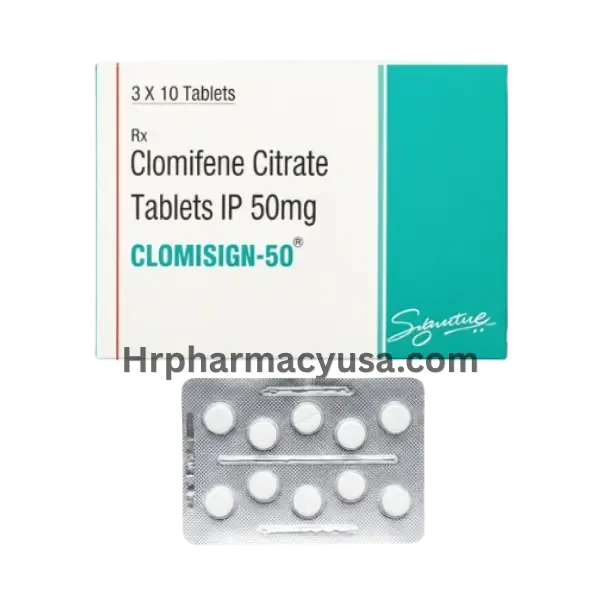
Clomisign 50 mg (Clomiphene)
| Active Ingredient: | Clomiphene |
|---|---|
| Indication: | Female infertility |
| Manufacturer: | HAB Pharmaceuticals & Research Ltd |
| Packaging: | 10 tablets in 1 strip |
| Strength: | 50mg |
| Delivery Time: | 6 To 15 days |
Clomisign 50 mg (Clomiphene)
| Variant | Price | Units | Quantity | Add to Cart |
|---|---|---|---|---|
| 100 Tablets | $40.00 | $0.4 / Tablet | ||
| 200 tablet/s | $70.00 | $0.35 / Tablet | ||
| 300 Tablet/s | $105.00 | $0.35 / Tablet |
Info About Clomisign 50 mg (Clomiphene)
Clomisign 50 mg (Clomiphene) contains clomiphene citrate, a well-known prescription medicine used in fertility care. It is most commonly prescribed to help the ovaries release an egg (ovulation) in people who are not ovulating regularly.
For many patients, the goal is simple: support a predictable ovulation window so timed intercourse or other fertility treatments have a better chance of working.
What clomiphene is used for
Clomiphene is mainly used for the following:
- Ovulation induction in women with ovulatory dysfunction (including cases linked with PCOS).
- Unexplained infertility occurs when a clinician believes that stimulating ovulation may improve the odds.
Some specialists may also use clomiphene in men, typically as an off-label approach in specific situations where improving the body’s hormone signaling is part of a fertility or endocrine plan.
Off-label use is common in medicine, but it should always be guided by a clinician who knows your history and lab results.
How it works
Clomiphene works by influencing oestrogen feedback in the brain. When the brain senses “lower oestrogen signals”, it can respond by increasing hormones (FSH and LH) that help the ovaries develop and release an egg.
In men, the same hormone signalling pathway can sometimes increase LH and FSH, which may affect testosterone production and sperm parameters. Response varies a lot from person to person, so monitoring matters.
How it’s typically taken
Your prescriber will decide the exact plan based on your cycle history, diagnosis, and response. A common approach to ovulation induction involves a short course early in the menstrual cycle, with dose adjustments only if needed. Do not self-adjust the dose. Many patients also undergo monitoring, such as:
- Cycle timing guidance
- Ovulation tracking
- Ultrasound checks
- Bloodwork
If you are using this medication for fertility, it is important that pregnancy be ruled out before starting a cycle, because clomiphene should not be used during pregnancy.
What you may feel while taking it
Some effects are mild and temporary, and some deserve urgent attention.
Commonly reported side effects can include:
- Hot flashes
- Headache
- Bloating or abdominal discomfort
- Nausea
- Breast tenderness
- Mood changes
- Spotting
Call your clinician promptly if you notice:
- Vision changes (blurred vision, flashes, floaters)
- Severe pelvic pain, significant swelling, or rapid weight gain
- Shortness of breath or chest pain
These can be signs of uncommon but serious problems that need evaluation.
Key safety notes before using
Clomiphene is not right for everyone. Your prescriber may avoid it or use extra caution if you have a history of:
- Liver disease
- Unexplained vaginal bleeding
- Ovarian cysts are not related to PCOS.
- Certain hormone-sensitive conditions (your clinician will review specifics)
Another practical point: clomiphene can increase the chance of multiple pregnancy (twins more commonly than higher-order multiples). That risk is one reason clinicians often start with a standard dose and adjust only if needed.
Interactions and medication review
Tell your prescriber about all prescription meds, OTC products, and supplements you take. While clomiphene does not have a long list of “classic” drug interactions, fertility plans often involve multiple medications, and your full list helps your clinician avoid avoidable risks.
If you are using hormonal products (including oestrogen-containing therapies), ask your prescriber how they fit with your treatment plan.
Available strengths
Clomipramine is commonly known in a 50 mg strength. Depending on the supplier and market availability, clomiphene products may also be found in the following:
- 25 mg tablets
- 50 mg tablets
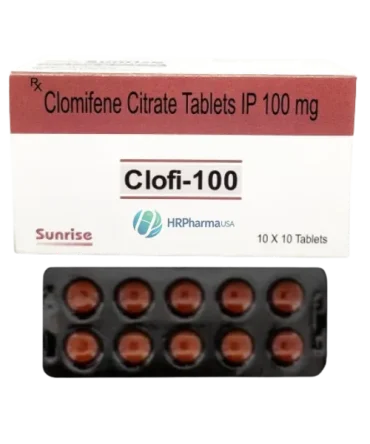
- 100 mg tablets
Strength availability can vary, so confirm what your prescriber wants and match the exact dose on the prescription.
Substitute options already on the market
If Clomisign is not available or your prescriber prefers another option, common substitutes in the same medication category include the following:
- Clofert 50 mg (Clomiphene)
- Enclomisign 50 Tablet (Buy Enclomiphene Citrate)
- Clomid (clomiphene)
- Serophene (clomiphene)
- Generic 50 mg tablets (various manufacturers)
In some fertility plans, clinicians may choose a different ovulation-induction medicine instead of clomiphene, such as letrozole or injectable gonadotropins, depending on diagnosis, past response, and ultrasound findings.
Those are not direct “same drug” substitutes, but they are common alternatives used in real-world fertility care.
FAQs
| size | 100 Tablets, 200 tablet/s, 300 Tablet/s |
|---|
Please sign in to My Account to leave a review.
Reviews
There are no reviews yet.