
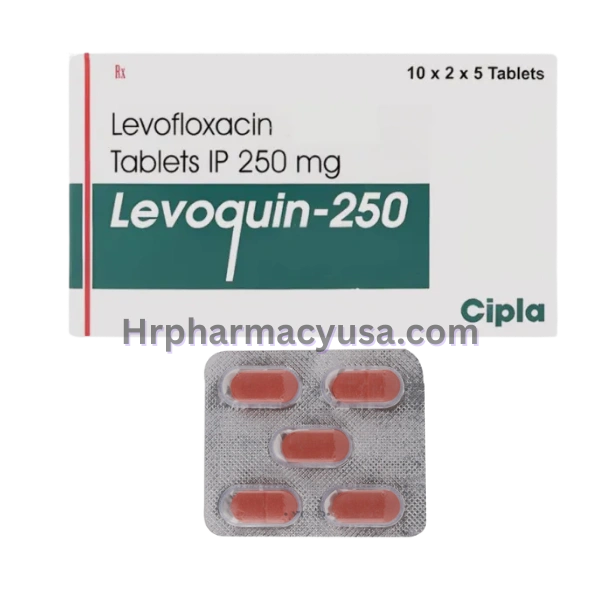
Levoquin 250mg (Levofloxacin)
Levoquin 250mg (Levofloxacin) is a prescription antibiotic for certain bacterial infections, including some urinary tract, respiratory, and skin infections, when a clinician decides it fits your case. It is taken by mouth and often dosed once daily, but the exact schedule depends on the infection and kidney function. Take it exactly as prescribed and complete the full course.
| Active Ingredient | Levofloxacin |
| Indication | Bacterial Infections |
| Manufacturer | Cipla Limited |
| Packaging | 10 tablets in 1 strip |
| Strength | 250mg |
| Delivery Time | 6 To 15 days |
Levoquin 250mg (Levofloxacin)
| Variant | Price | Units | Quantity | Add to Cart |
|---|---|---|---|---|
| 30 Tablet/s | $7.00 | $0.23 / Tablet | ||
| 60 Tablet/s | $13.00 | $0.22 / Tablet | ||
| 90 Tablet/s | $19.00 | $0.21 / Tablet |
What is Levoquin 250mg (Levofloxacin)
Levoquin 250mg (Levofloxacin) is an oral fluoroquinolone antibiotic that doctors use to treat specific bacterial infections when it is a good match for the situation.
People commonly search for terms like levofloxacin 250 mg tablet, Levoquin antibiotic, UTI antibiotic, respiratory infection antibiotic, or pneumonia antibiotic treatment when they are trying to understand why this medication was prescribed and what to watch for.
What Levoquin 250mg is used for
Levofloxacin can be prescribed for a range of bacterial infections, depending on your symptoms, test results, local resistance patterns, and your medical history.
Conditions it may be used for include:
- Urinary tract infections (UTIs) and other urinary infections
- Kidney infections (pyelonephritis)
- Prostatitis (prostate infection) in some cases
- Respiratory tract infections, such as certain types of pneumonia
- Skin and soft tissue infections
Not every infection needs a fluoroquinolone. For some more routine infections, many clinicians prefer other antibiotics first because fluoroquinolones (including levofloxacin) carry some important risks. Your prescriber weighs the benefits and the risks for your specific case.
Levoquin does not treat viruses, such as those that cause colds or flu. If your symptoms are viral, an antibiotic will not help and may cause side effects and contribute to antibiotic resistance.
How Levoquin works
How it is typically taken
Important safety warnings people often overlook
Levofloxacin has well-known class warnings. Some side effects can be serious and may require stopping the medication and getting medical help.
Contact a clinician promptly if you notice symptoms such as:
- Tendon pain, swelling, or sudden injury, especially in the Achilles tendon
- Numbness, tingling, burning pain, or weakness that could suggest nerve irritation
- Severe mood or nervous system changes (confusion, agitation, hallucinations, seizures)
- Severe diarrhea, especially watery or bloody diarrhea (can happen during treatment or after)
- Fast or irregular heartbeat, fainting, or chest fluttering, which can be related to QT prolongation in susceptible people
- Unusual blood sugar symptoms (shakiness, sweating, confusion), especially if you use diabetes medications
People at higher risk for certain complications can include older adults, those using oral or injected steroids, transplant recipients, and people with certain heart rhythm conditions.
If you have a history of myasthenia gravis, fluoroquinolones can worsen muscle weakness and should be discussed carefully with your prescriber.
Interactions with other drugs
Levofloxacin can bind to minerals in the gut, which may reduce the amount of the drug your body absorbs. A common issue is taking it too close to products that contain aluminum, magnesium, iron, zinc, or calcium (for example, many antacids and some supplements). If you take these, ask your pharmacist how to separate them from your antibiotic.
Also, tell your prescriber about all prescriptions and over-the-counter products you use, especially blood thinners, diabetes medications, and drugs that may affect heart rhythm.
Available strengths and dosage forms
- Livox 500 Mg Tablet
- Levoquin 500 mg (Levofloxacin)
- Levoflox (Levofloxacin)
- LQuin 250 Mg (Levofloxacin)
- LQuin 500 Mg (Levofloxacin)
- Levoflox 250mg (Levofloxacin)
- Levoflox 500mg (Levofloxacin)
- Levofloxacin 250 mg tablet
- Levofloxacin 500 mg tablet
- Levofloxacin 750 mg tablet
Alternatives of Levoquin 250mg
Antibiotic choice depends on the infection site, culture results, allergies, and local resistance.
Alternatives that are sometimes used (when appropriate) include:
- Amoxicillin-clavulanate
- Doxycycline
- Azithromycin (for select respiratory infections)
- Cephalexin, cefdinir, or other cephalosporins (varies by infection)
- Nitrofurantoin or trimethoprim-sulfamethoxazole (TMP-SMX) for certain UTIs
- Other fluoroquinolones like ciprofloxacin or moxifloxacin (used for different situations)
FAQs About Levoquin 250mg (Levofloxacin)
Is Levoquin the same thing as generic levofloxacin?
Levoquin is a brand name. Levofloxacin is the generic name. They contain the same active ingredient, but inactive ingredients can differ by manufacturer.
Can I cut or crush Levoquin 250mg tablets?
Ask a pharmacist first. Some tablets can be split, others should not be crushed due to taste, dosing accuracy, or how the medication is made.
How should I store Levoquin 250mg?
In general, tablets are stored at room temperature away from heat and moisture. Follow the storage directions on your prescription label.
Can I take probiotics at the same time as Levoquin?
Many people do, but timing can matter. Ask a pharmacist how to space them and which strains are reasonable for your situation.
What if I throw up after taking a dose?
Whether to repeat a dose depends on how soon it happened and your personal risks. Call your prescriber or pharmacist for specific guidance.
| size | 30 Tablet/s, 60 Tablet/s, 90 Tablet/s |
|---|
Please sign in to My Account to leave a review.
Reviews
There are no reviews yet.