Info About Beclomethasone Dipropionate Cream
Beclomethasone Dipropionate Cream (Generic) is a topical corticosteroid medicine used on the skin to reduce inflammation, redness, and itching in conditions that respond to steroid treatment.
Some countries also spell it beclometasone dipropionate. The established single-ingredient cream strength is 0.025% w/w, or 0.25 mg of beclomethasone dipropionate per gram of cream.
What Is Beclomethasone Dipropionate Cream Used For?
This medicine may be prescribed for inflammatory skin problems such as eczema, allergic or irritant dermatitis, lichen simplex, intertrigo, and selected cases of psoriasis. The exact condition matters because a steroid cream is not suitable for every rash. Licensed product information also warns against using it for untreated fungal, bacterial, or viral skin infections, acne, rosacea, and perioral dermatitis.
A healthcare professional should confirm the cause of a rash before treatment, especially when the area is spreading, painful, producing fluid, crusting, or not improving. Using a corticosteroid for the wrong skin problem can hide symptoms and may allow an infection to worsen.
How Beclomethasone Dipropionate Cream Works
Beclomethasone dipropionate is a corticosteroid with anti-inflammatory activity. When applied to affected skin, it helps reduce the inflammatory response linked with redness, swelling, itching, and irritation. It controls inflammation rather than removing every possible cause of the skin problem, so symptoms can return if the underlying condition remains active.
Cream formulations are often suitable for inflamed skin that may be slightly moist or weeping. Ointment formulations are generally more suitable for dry, thick, or scaly areas, although the best choice depends on the skin condition and treatment plan.
Available Strengths and Dosage Forms
The single-ingredient cream strength that can be verified in current licensed references is:
- Beclomethasone Dipropionate Cream 0.025% w/w, also written as 0.25 mg/g.
Some markets also list a 0.025% ointment formulation.
Other beclomethasone products include inhalers and nasal sprays, but these are made for different parts of the body and should not be treated as substitutes for the skin cream.
Another current single-ingredient beclomethasone dipropionate cream strength could not be verified from authoritative licensed product information. Combination creams containing beclomethasone with an antifungal or antibiotic are different medicines and should not be considered stronger or directly equivalent versions of the plain cream.
Availability of Beclomethasone Dipropionate Cream
Beclomethasone dipropionate 0.025% topical cream appears in drug terminology databases, but current RxNorm-derived information does not list this cream as part of current prescribable content. Availability and regulatory status can vary by country, manufacturer, and product source. Confirm the exact product and prescription requirements with a licensed pharmacist or prescriber.
How to Use Beclomethasone Dipropionate Cream
Use Beclomethasone Dipropionate Cream according to the directions supplied with the medicine and the prescriber’s instructions. Licensed labeling for the 0.025% cream generally describes applying a thin amount over the affected skin. Frequency and treatment length can depend on the condition, treatment area, age, and response to therapy.
Applying more cream does not mean the skin will improve faster. Large amounts, prolonged treatment, tight coverings, or application over wide areas can increase the amount of corticosteroid absorbed through the skin.
Avoid getting the cream in the eyes. Treating the face, skin folds, or other sensitive areas requires extra care because these areas are more likely to develop unwanted skin changes from topical corticosteroids.
If the skin condition does not improve within the expected treatment period, worsens, or develops signs of infection, a healthcare professional may need to review the diagnosis.
Side Effects
Topical corticosteroids can usually be used without serious problems when applied in the correct amount for an appropriate period. Side effects are more likely with long-term use or when the medicine is applied over large areas.
Possible skin changes include irritation, skin thinning, changes in skin color, increased hair growth, or increased sensitivity. Long-term or excessive corticosteroid use may also increase the chance of unwanted effects elsewhere in the body because some medicine can be absorbed through the skin.
Children can absorb proportionally larger amounts of topical corticosteroids through the skin, so a healthcare professional should closely guide their treatment.
Stop using the cream and seek medical advice if there is a severe reaction, significant swelling, rapidly worsening redness, or other symptoms that could suggest an allergy or infection.
Important Precautions
Tell the prescriber about other creams, ointments, or corticosteroid medicines you are using at the same time.
Do not apply Beclomethasone Dipropionate Cream to the eyes. Do not use it as a general treatment for acne, rosacea, perioral dermatitis, or untreated fungal, viral, or bacterial skin infections.
Do not cover treated skin with a tight or waterproof dressing unless specifically recommended. Covering the skin can increase corticosteroid absorption.
Extra care may be required when treating the face, large areas of skin, or children, or when treatment is expected to continue for an extended period. People who are pregnant, planning pregnancy, or breastfeeding should discuss topical corticosteroid treatment with their healthcare professional before use.
Substitute Options
Beclomethasone Dipropionate Cream substitutes should be selected by a healthcare professional because topical corticosteroids differ in strength, formulation, recommended treatment areas, age restrictions, and approved uses.
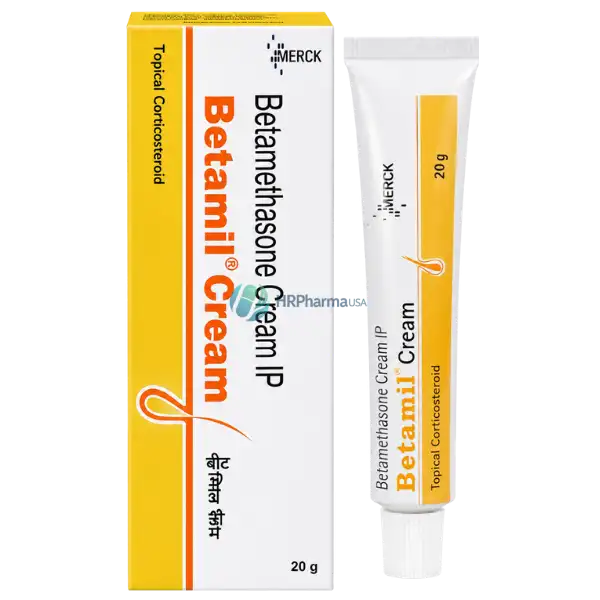
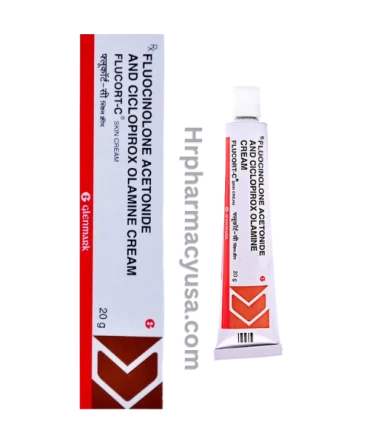
Topical corticosteroid creams:
These medicines are possible therapeutic alternatives, not direct generic equivalents of Beclomethasone Dipropionate Cream.
The percentage printed on a steroid cream does not provide a simple way to compare its strength with another corticosteroid. For example, a 0.1% product is not automatically twice as strong as a 0.05% product. Consider the active ingredient, formulation, absorption, treatment area, and steroid potency.
Beclomethasone dipropionate and betamethasone dipropionate are also different medicines despite having similar names. Do not confuse them or substitute one for the other without professional advice.
Storage and Handling
Keep Beclomethasone Dipropionate Cream in its original container with the cap tightly closed. Follow the storage temperature and handling directions printed on the product packaging because these can vary by manufacturer.
Keep the medicine away from excessive heat and out of reach of children and pets. Do not use a tube that has passed its expiration date, has a damaged seal, or has developed an unexpected change in appearance, texture, or smell.
FAQs About Beclomethasone Dipropionate Cream
1. Can I use a moisturizer on the same day as Beclomethasone Dipropionate Cream?
Usually, you can still use a moisturizer as part of your daily skin care, especially if you have dry skin or eczema. Apply each product as directed, rather than mixing the moisturizer and medicine, unless a healthcare professional recommends it.
2. Is Beclomethasone Dipropionate Cream the same as a beclomethasone inhaler or nasal spray?
No. Although the products may contain beclomethasone, their formulations and doses are designed for different parts of the body. Never inhale skin cream or put it in your nose.
3. Does a larger tube of Beclomethasone Dipropionate Cream mean it is stronger?
No. Tube size only describes the amount of cream in the package. The medicine’s strength is shown separately on the label, such as 0.025% w/w or 0.25 mg/g.
4. Can Beclomethasone Dipropionate Cream be shared with someone who has a similar rash?
It should not be shared. Two rashes can look similar while having completely different causes. A fungal infection, bacterial infection, allergy, or inflammatory skin problem may require very different treatment.
5. What should I do if Beclomethasone Dipropionate Cream has expired or the tube seal is damaged?
Do not use the product. A pharmacist can advise you about obtaining a replacement and disposing of the old tube properly. The cream’s appearance alone cannot confirm whether an expired product is safe to use.

Reviews
There are no reviews yet.