Fluoxetine is an antidepressant that’s been around for decades, and it’s best known by its brand name, Prozac. If antidepressants were cars, fluoxetine would be that reliable model you still see everywhsere—because it works for a lot of people, it’s well-studied, and clinicians know its quirks.
Generic fluoxetine vs brand-name Prozac
Here’s the simple deal: generic fluoxetine and Prozac contain the same active ingredient. Most people do fine on the generic, and it’s usually cheaper. Sometimes folks notice differences (often due to inactive ingredients), but clinically they’re considered equivalent.
What class of drug is fluoxetine? (SSRI basics)
Fluoxetine is an SSRI—a selective serotonin reuptake inhibitor. SSRIs are commonly used for depression and anxiety-related conditions because they tend to be effective and generally safer than older antidepressants.
How Fluoxetine Works in the Brain
Fluoxetine mainly increases the availability of serotonin, a chemical messenger involved in mood, anxiety, appetite, sleep, and—yes—sexual function.
Serotonin explained without the neuroscience headache
Think of serotonin like text messages between brain cells. Normally, after a message is sent, it is quickly “vacuumed up.” Fluoxetine partially blocks that vacuuming (reuptake), so serotonin messages hang around longer, which can help stabilize mood and reduce intrusive anxiety patterns over time.
Why more serotonin can help mood—but also affect sex
Serotonin is a bit like a manager who brings order to chaos… but sometimes becomes too controlling. While improved serotonin signaling can reduce depression and anxiety, it can also dampen sexual arousal, orgasm intensity, and erections for some people. That’s why SSRI-induced sexual dysfunction is a real and common conversation.
What Fluoxetine Is Used For
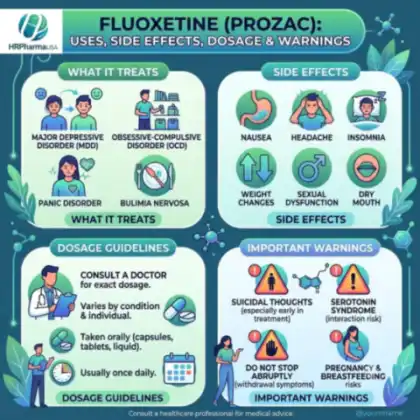
Fluoxetine is FDA-approved for several conditions and is also used off-label in certain situations, depending on your clinician’s judgment.
Fluoxetine for depression
This is the headline use: major depressive disorder (MDD). It may help with low mood, loss of interest, sleep/appetite changes, and the mental “heaviness” that makes everything feel like wading through mud.
Fluoxetine for anxiety (and when it’s used off-label)
Fluoxetine isn’t always the first pick for every anxiety subtype, but it’s commonly used when depression and anxiety overlap. Some people feel more energized on it, which can be helpful—or a little edgy—depending on the person.
Prozac for OCD
Fluoxetine is a well-established option for obsessive-compulsive disorder. OCD dosing can be higher than depression dosing, and it often takes longer to see full benefit.
Fluoxetine for panic disorder
It’s also used for panic disorder, helping reduce panic attack frequency and anticipatory anxiety over time.
Fluoxetine for bulimia nervosa
Fluoxetine is one of the better-known medication options for bulimia, often at higher doses.
PMDD (premenstrual dysphoric disorder)
Fluoxetine can be prescribed for PMDD, sometimes taken daily or sometimes only during the luteal phase (the second half of the menstrual cycle), depending on the plan you and your prescriber choose.
How Long Does Fluoxetine Take to Work?
This is where expectations matter. Fluoxetine is not a “flip the switch” medication. It’s more like steering a big ship—you turn the wheel now, but the ship changes direction gradually.
Week-by-week expectations
- Days 1–7: Side effects may show up (nausea, jitteriness, sleep changes). Mood benefits usually don’t.
- Weeks 2–4: Some people notice improved energy, fewer crying spells, or less anxiety reactivity.
- Weeks 4–8: Bigger shifts often appear here—more consistent mood, improved functioning.
- 8–12 weeks: For OCD especially, full benefits may take longer and/or higher doses.
Why you might feel side effects before benefits
Early side effects can occur because serotonin levels change quickly, but the downstream brain adaptations linked to symptom relief take time.
Fluoxetine Dosage and How to Take It
Your exact dose depends on the condition, your age, other medications, side effects, and how you respond.
Standard Prozac daily dose guidelines
Fluoxetine is commonly started at a low dose and gradually increased. Many adults start at 10–20 mg daily, then increase if needed.
Typical dosing by condition (real-world ranges)
(These are common clinical ranges; your prescriber may tailor differently.)
Depression dosing
Often start at 20 mg daily; some people stay there, others go higher (commonly up to 40–60 mg, depending on response and tolerability).
OCD dosing
OCD often requires higher doses, frequently 40–60 mg, sometimes up to 80 mg in certain cases.
Panic disorder dosing
A lower start (like 10 mg) is common to reduce early jitteriness, then slowly increased.
Bulimia dosing
Often 60 mg daily is used for bulimia treatment.
PMDD dosing
Some use 20 mg daily, either continuously or intermittently, depending on symptom timing and clinician guidance.
Best time to take fluoxetine: morning vs night
Many people take it in the morning because it can feel activating and cause insomnia. But if it makes you sleepy (yes, that happens too), nighttime might be better. The “best” time is the time you can take it consistently.
Missed dose: what to do (and what not to do)
If you miss a dose, take it when you remember—unless it’s close to the next one. Don’t double up without guidance. Fluoxetine has a long half-life, so missing one dose is often less dramatic than with some other SSRIs, but consistency still matters.
Dose Adjustments: When Your Prescriber Might Change It
Dose changes aren’t about “winning” or “failing.” They’re just dialing the signal in until the benefits outweigh the drawbacks.
Fluoxetine dose adjustments for side effects
If side effects are strong, clinicians may:
- reduce the dose,
- slow down increases,
- switch dosing time,
- or consider a different medication.
Does lowering Prozac dose help ED?
Sometimes, yes. Fluoxetine dosage and sexual side effects often correlate—higher doses can increase the odds of libido loss, delayed orgasm, or fluoxetine and erectile dysfunction. But lowering the dose can also reduce antidepressant benefit, so it’s a balancing act.
Higher doses and the trade-offs
Higher doses can help OCD and severe depression—but may raise the risk of side effects like sweating, insomnia, emotional “numbness,” and sexual dysfunction.
Common Side Effects of Fluoxetine
Fluoxetine side effects vary wildly from person to person. Two people can take the same dose and have completely different experiences.
The “often annoying but usually manageable” list
Common effects can include:
- nausea
- headache
- dry mouth
- sweating
- tremor
- feeling jittery or restless
- fatigue or sleepiness
- insomnia
- appetite changes
Sleep changes: insomnia and vivid dreams
Some people get lighter sleep or intense dreams. If it’s messing with your nights, adjusting dose timing or sleep habits can help—sometimes a med change is needed.
GI side effects: nausea, diarrhea, appetite shifts
Stomach effects are common early and often improve in a couple of weeks. Taking it with food can help nausea for some people.
Serious Side Effects and Red Flags
Some side effects are uncommon but important.
Fluoxetine serotonin syndrome symptoms
Too much serotonin activity can become dangerous, especially when fluoxetine is combined with other serotonergic drugs. Watch for:
- agitation/confusion
- fever
- sweating
- fast heart rate
- muscle rigidity, tremor, clonus
- diarrhea
If symptoms are severe or rapidly worsening, seek urgent care.
Suicidal thoughts (black box warning)
Like other antidepressants, fluoxetine carries a black box warning about increased risk of suicidal thoughts/behavior in children, teens, and young adults, especially early in treatment or after dose changes. This doesn’t mean the medication “causes suicide” broadly—but it does mean monitoring is essential.
Mania/hypomania risk
In people with bipolar disorder (diagnosed or undiagnosed), antidepressants can trigger mania/hypomania. Signs include decreased need for sleep, racing thoughts, risky behavior, and unusually elevated or irritable mood.
Bleeding risk
SSRIs can increase bleeding tendency, especially when combined with NSAIDs (like ibuprofen), aspirin, or blood thinners.
Low sodium (hyponatremia)
More likely in older adults or people taking diuretics. Symptoms can include headache, confusion, weakness, and nausea.
Fluoxetine and Sexual Side Effects (The Big One People Don’t Want to Bring Up)
Let’s make this easy: if fluoxetine is helping your mood but messing with your sex life, that’s not “vain.” That’s quality of life.
SSRI-induced sexual dysfunction: what it can look like
Sexual side effects can affect any gender. Common patterns include lower desire, reduced sensation, delayed orgasm, or difficulty with erections.
Fluoxetine libido loss
You might feel emotionally better but physically less interested—like the brain is willing, but the body didn’t get the memo.
Difficulty reaching orgasm with fluoxetine
Some people can get aroused but can’t finish, or it takes much longer. This can be frustrating and can also create performance anxiety, which adds another layer.
Fluoxetine delayed ejaculation
For men, fluoxetine delayed ejaculation is a common complaint. Sometimes it’s mild; sometimes it becomes a dealbreaker.
Fluoxetine and erectile dysfunction
Yes, fluoxetine and erectile dysfunction can happen. People search for it as:
- “Prozac causes ED”
- “SSRI induced sexual dysfunction”
- “Prozac and low sex drive”
And they’re not imagining it.
Why Prozac causes ED
Erections aren’t just about blood flow—they’re also about the nervous system, arousal, and neurotransmitters. Higher serotonin activity can:
- reduce dopamine signaling (important for motivation and pleasure),
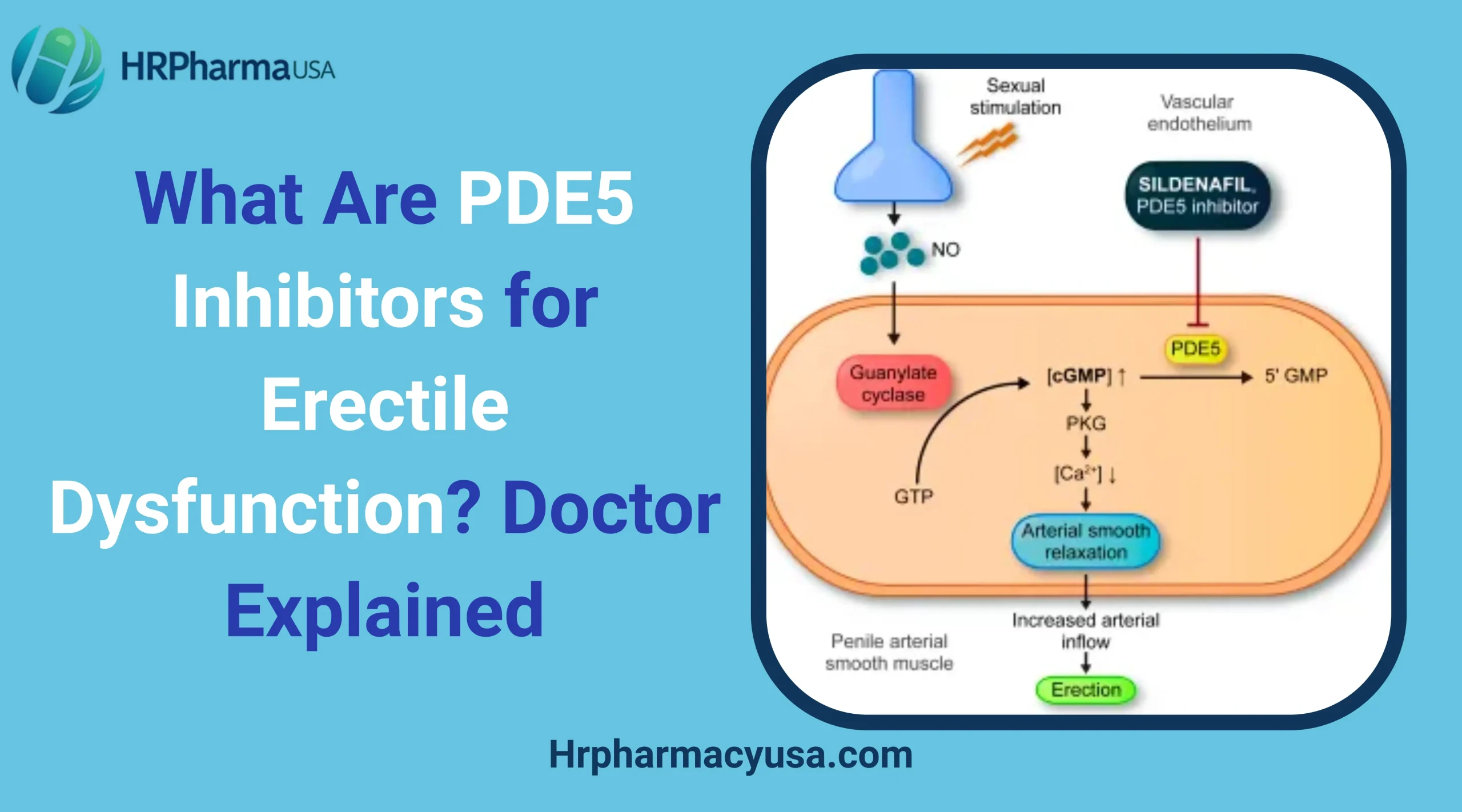
- interfere with nitric oxide pathways involved in arousal,
- and blunt the psychological “spark” that helps erections happen naturally.
How common is it—and does it go away?
Sexual side effects are common across SSRIs. Some people improve after the first several weeks; others don’t until the dose changes or the medication changes. For many, sexual function returns after stopping—though timing varies.
Prozac and sexual dysfunction recovery
Many people recover gradually after a dose reduction or discontinuation, especially if the issue is caught early and addressed.
What is PSSD (post-SSRI sexual dysfunction)?
PSSD is a term used for sexual side effects that persist after stopping SSRIs. It’s not fully understood and isn’t universally agreed upon in terms of mechanisms, but it’s discussed in medical literature and patient communities. The important part: if you notice persistent symptoms, bring it up and get help rather than suffering in silence.
How to Fix Fluoxetine ED (Practical Options to Discuss with Your Clinician)
No single strategy fits everyone. Think of it like troubleshooting a Wi‑Fi connection: you try the simplest fixes first, then move to more technical solutions.
Step one: rule out other causes of ED
Before blaming Prozac, it’s smart to check the usual suspects:
- depression itself (a huge ED trigger)
- anxiety/performance anxiety
- low testosterone (sometimes)
- sleep apnea, diabetes, high blood pressure
- vaping/smoking, heavy alcohol use
- porn-related arousal pattern changes (for some)
- relationship stress
Sometimes fluoxetine is the match—sometimes it’s just one piece of the pile.
Strategy: lowering the dose (when appropriate)
If you’re stable mood-wise, a careful dose reduction can reduce fluoxetine libido loss and ED. The key word is careful—because you don’t want symptoms to rebound.
Strategy: switching antidepressants for sexual health
If sexual side effects are persistent, switching can help. Common conversations include:
- moving to a medication with fewer sexual side effects,
- or using a non-SSRI alternative for depression.
Best antidepressants for sex drive (common discussion options)
Many clinicians consider bupropion (Wellbutrin) more sex-friendly than SSRIs. Other options may include certain atypical antidepressants or different classes, depending on your symptoms and medical history. The “best” option depends on whether anxiety, insomnia, appetite, or panic are part of your picture.
Strategy: adding Wellbutrin to fluoxetine for libido
One commonly discussed approach is adding Wellbutrin to fluoxetine for libido and energy. This can improve desire and orgasm for some people. It’s not right for everyone (for example, it may be avoided in some seizure or eating-disorder histories), so this is a clinician-led decision.
ED medications: Viagra/Cialis for SSRI side effects
PDE5 inhibitors are a legitimate option for SSRI-induced ED. They don’t fix libido directly, but they can help erections function reliably while you and your prescriber work on the bigger plan.
Fluoxetine and Viagra interactions
There’s no famous “never combine these” rule for fluoxetine and sildenafil (Viagra), but your clinician should still review:
- blood pressure effects,
- heart history,
- other meds (especially nitrates),
- and whether anxiety is a major contributor.
Prozac and Cialis safety
Tadalafil (Cialis) is similar in concept but longer-acting. Same idea: discuss your full medication list and health history.
Natural ways to boost libido on fluoxetine
Lifestyle won’t override strong SSRI sexual side effects in every case—but it can absolutely move the needle.
Sleep, resistance training, alcohol limits, and stress
If you want the highest ROI habits:
- Sleep: the foundation for testosterone regulation, mood, and arousal.
- Strength training: helps build confidence, regulate hormones, and improve blood flow.
- Alcohol limits: alcohol is a sneaky libido killer and ED trigger.
- Stress management: chronic stress keeps your body in “threat mode,” not “romance mode.”
Fluoxetine Drug Interactions
Fluoxetine has meaningful interactions—this is not a “mix and match” med without oversight.
Medications that should raise an eyebrow immediately
MAOIs and the dangerous window
Combining fluoxetine with MAOIs can be dangerous. A washout period is required when switching because fluoxetine (and its metabolite) stick around for a long time.
Tramadol, triptans, linezolid, St. John’s wort
These can raise serotonin levels and increase the risk of serotonin syndrome. Not automatically forbidden in every case, but they require careful evaluation.
Blood thinners, NSAIDs, and bleeding risk
Using fluoxetine with aspirin, ibuprofen/naproxen, anticoagulants, or antiplatelet meds can increase bleeding risk—especially GI bleeding.
Alcohol and fluoxetine
Alcohol can worsen depression, disrupt sleep, and increase side effects like dizziness or impaired judgment. Some people tolerate occasional drinking; others feel awful. If you drink, keep it conservative and track how you feel.
CYP2D6 interactions (why fluoxetine can “boost” other drugs)
Fluoxetine can inhibit CYP2D6, an enzyme that metabolizes many medications. That means it can increase levels of certain drugs, potentially increasing side effects. This is one reason medication list reviews matter.
Who Should Be Cautious With Fluoxetine
Fluoxetine contraindications and major precautions
Fluoxetine may not be appropriate—or may require extra monitoring—if you have:
- bipolar disorder (or a strong family history)
- seizure disorders
- bleeding disorders
- severe liver disease
- a history of serotonin syndrome
- complex polypharmacy (lots of meds)
Pregnancy and breastfeeding
Decisions here are personal and medical. Untreated depression/anxiety also carries risks, so it’s about weighing benefits and risks with your obstetric and mental health providers.
Teens and young adults
Because of the black box warning, close follow-up is important after starting or changing the dose.
Liver disease and older adults
Older adults may be more sensitive to side effects like low sodium, bleeding risk, and drug interactions.
Stopping Fluoxetine: Withdrawal, Tapering, and What to Expect
Withdrawal symptoms from fluoxetine (and why it can be different)
People often call it “withdrawal,” but clinicians may say discontinuation symptoms. Compared with some SSRIs, fluoxetine’s long half-life can make stopping easier for some people—symptoms may be milder or delayed. Still, some people feel:
- dizziness
- irritability
- mood swings
- sleep disruption
- “brain zaps” (less common with fluoxetine than some SSRIs, but still possible)
When to stop taking Prozac (and when not to)
Stopping is usually considered when:
- symptoms are stable for a sustained period,
- therapy and coping skills are solid,
- and life stressors are manageable.
Don’t stop abruptly without a plan—especially if you’ve had severe depression, suicidality, or relapse history.
Fluoxetine vs Other Antidepressants (Sexual Side Effects Included)
If sexual function is a priority (and it’s okay if it is), comparing options can help.
Fluoxetine vs Zoloft sexual side effects
Both are SSRIs, and both can cause sexual dysfunction. Individual responses vary: some people do better on sertraline (Zoloft), while others do worse. There’s no universal winner—your body is the tiebreaker.
Prozac vs Lexapro for ED
Escitalopram (Lexapro) is also an SSRI and can contribute to ED and delayed orgasm. Some people find it “smoother,” others find it more numbing. The main takeaway: if one SSRI causes problems, another might be better—or might not.
Non-SSRI alternatives for depression
If SSRIs cause persistent sexual side effects, clinicians may discuss alternatives (depending on symptoms), including medications from other classes or combination strategies.
When to Call Your Doctor (or Seek Urgent Help)
Urgent symptoms checklist
Seek urgent help if you have:
- signs of serotonin syndrome (fever, confusion, rigidity, severe agitation)
- suicidal thoughts with intent or a plan
- manic symptoms (no sleep, risky behavior, feeling invincible)
- severe allergic reactions (swelling, trouble breathing)
- unusual bleeding or black/tarry stools
Non-urgent but important “tell your prescriber” issues
Bring up:
- persistent sexual dysfunction (ED, low libido, orgasm changes)
- insomnia that won’t quit
- emotional blunting that affects relationships
- new or worsening anxiety
- bothersome weight/appetite changes
Conclusion
Fluoxetine (Prozac) is a well-known SSRI with real benefits for depression, OCD, panic disorder, bulimia, and PMDD—but it’s not “set it and forget it.” The dose matters, the timeline matters, and side effects—especially sexual side effects like fluoxetine and erectile dysfunction, delayed ejaculation, and libido loss—deserve straightforward attention. The good news is you have options: dose adjustments, switching antidepressants for sexual health, add-on strategies like bupropion, and ED treatments such as sildenafil or tadalafil (when appropriate). The best outcomes usually come from treating this like a collaboration, not a secret.
FAQs
Can fluoxetine (Prozac) cause erectile dysfunction even if my mood improves?
Yes. Mood improvement doesn’t automatically protect against SSRI sexual side effects. Some people feel mentally better but still experience ED, delayed ejaculation, or low libido.
How long does fluoxetine take to work for anxiety or depression?
Many people notice early changes in 2–4 weeks, with fuller benefits around 6–8 weeks (sometimes longer for OCD). Side effects can appear earlier than benefits.
Does lowering the Prozac dose help sexual side effects?
For some people, yes—especially if symptoms started after a dose increase. But lowering the dose can also reduce symptom control, so it should be guided by the clinician.
Is it safe to use Viagra or Cialis for SSRI-induced ED while on fluoxetine?
Often it can be, but it depends on your health history and medications. Fluoxetine and Viagra interactions aren’t typically the main issue—heart meds (especially nitrates), blood pressure, and overall risk factors are the bigger concerns to review with your prescriber.
Will sexual function return after stopping fluoxetine?
Many people improve after reducing or stopping the medication, though timing varies. If symptoms persist, discuss it—persistent sexual symptoms are taken seriously and should be evaluated rather than ignored.